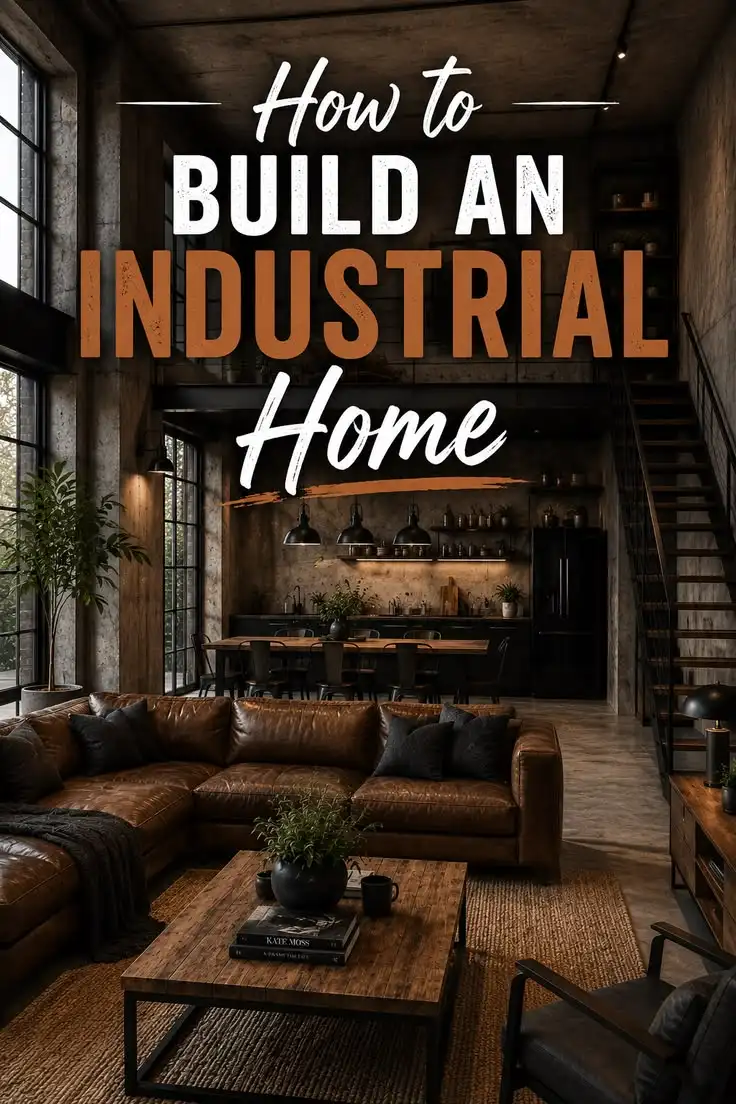

This post explores the appeal of a modern industrial style home, where raw materials, simple design, and bold details come together to create a distinctive living space. More than a passing trend, this style embraces an unfinished, stripped-back aesthetic that feels modern, practical, and full of character.
Industrial chic decor has become especially popular among homeowners who want their spaces to reflect their personality and creativity. A modern industrial home may begin with a cool, raw feel, but thoughtful furniture, warm textures, lighting, and personal touches can transform it into a comfortable and inviting home.
Incorporating Industrial Color Palettes
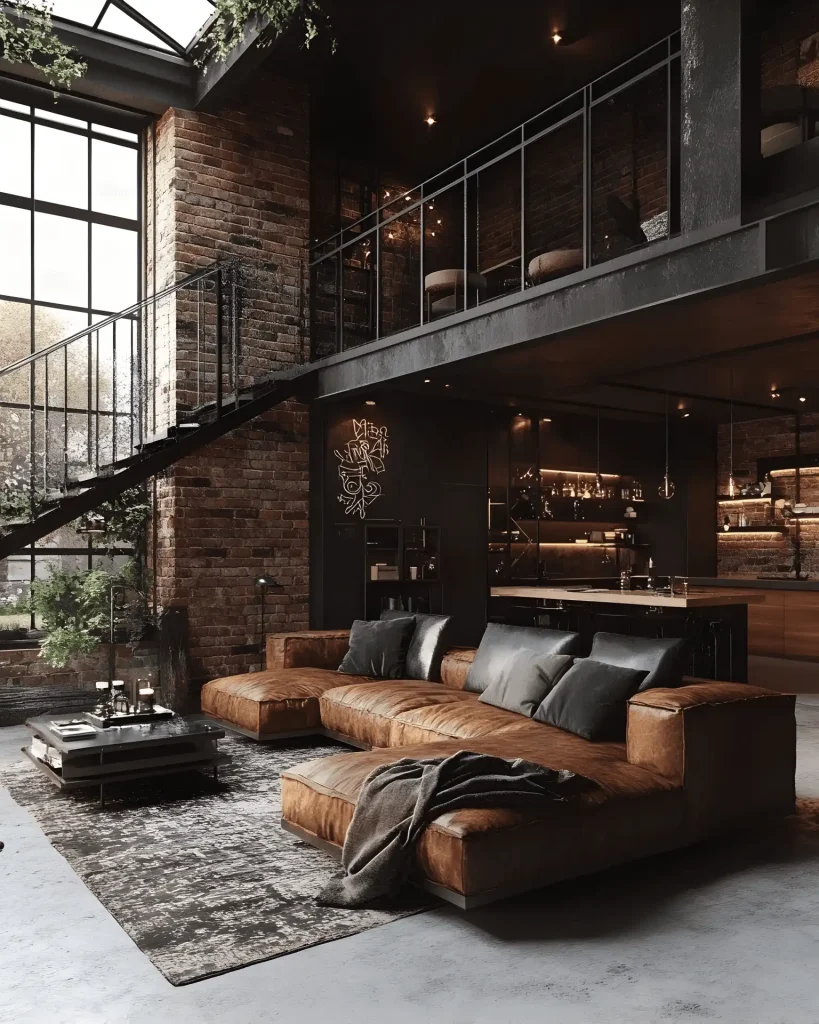
Choosing the right colors is essential for creating a modern industrial style home. Industrial color palettes can make a room feel polished, sophisticated, warm, or dramatic. Two combinations work especially well: the cool tones of the Urban Steel palette and the warmer, bolder shades of the Rusted Machinery palette.
Urban Steel Palette
The Urban Steel palette focuses on different shades of gray to create a clean, modern, and sophisticated atmosphere. Deep charcoal, medium gray, and light silver work together to add depth while keeping the space welcoming.
| Color | Hex Code |
|---|---|
| Deep Charcoal | #333333 |
| Medium Gray | #666666 |
| Light Silver | #CCCCCC |
Use medium gray on walls, deep charcoal for furniture, and light silver through smaller details such as lamps, frames, or decorative accessories. This combination creates a sleek industrial look without making the room feel too dark.
Rusted Machinery Palette
The Rusted Machinery palette brings warmth and character to industrial interiors. It combines neutral shades such as matte black, warm gray, and white with stronger accents like ruby, umber, magma red, and deep blue.
| Color | Hex Code |
|---|---|
| Matte Black | #000000 |
| Warm Gray | #888888 |
| White | #FFFFFF |
| Ruby | #9B111E |
| Umber | #635147 |
| Magma Red | #B22222 |
| Deep Blue | #003366 |
Try warm gray cabinetry with black hardware and white countertops, then introduce stronger colors through furniture, artwork, or accessories. These palettes can help create an industrial space that feels both stylish and inviting.
Exposed Brick Walls: The Foundation of Industrial Aesthetics
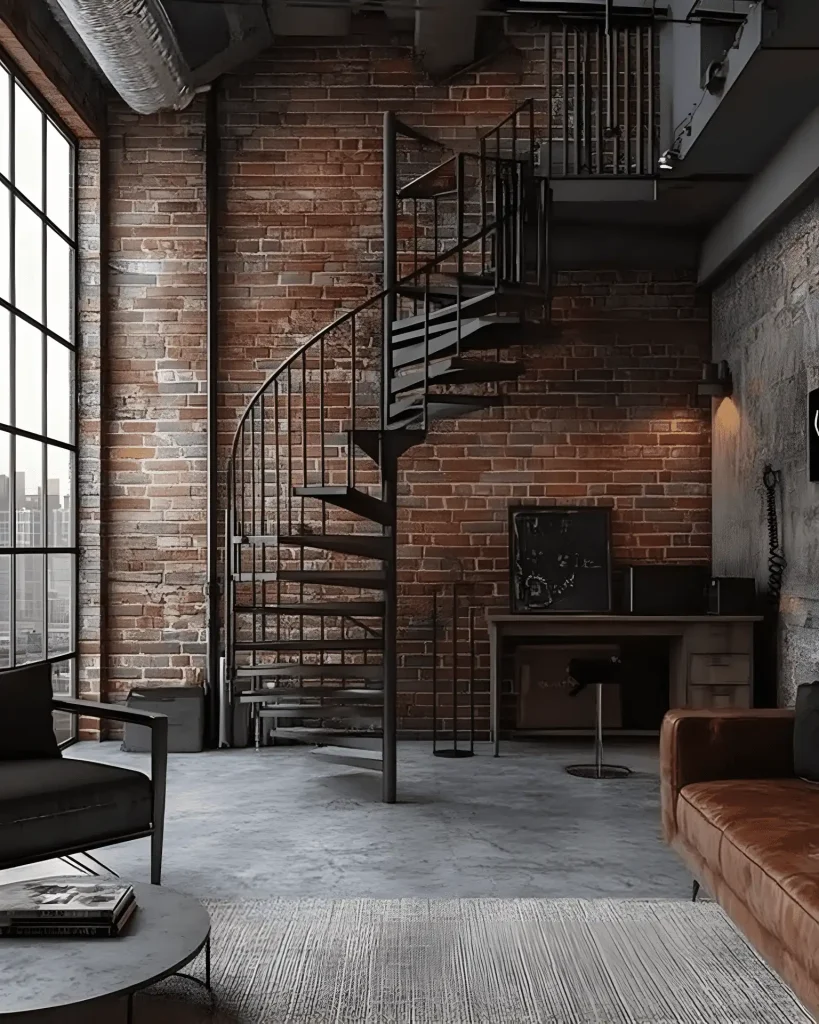
Exposed brick is one of the defining features of a modern industrial style home. Its natural texture adds character, depth, and warmth while creating the rugged appearance associated with industrial interiors. Whether you prefer an authentic brick wall or a thin brick treatment, this feature can become a striking focal point.
Here’s why exposed brick is a must for industrial living:
- Creates visual texture and depth – Brick gives walls dimension and prevents the space from looking flat.
- Adds warmth to industrial design – Natural brick tones soften cooler materials such as concrete and metal.
- Provides natural sound insulation – Brick can help create a more comfortable and quieter environment.
- Offers a versatile backdrop for decor – Artwork, mirrors, shelves, and lighting can all stand out beautifully against brick.
If authentic exposed brick is not available, thin brick panels can create a similar appearance. To maintain the finish, clean brick gently, avoid harsh chemicals, and consider sealing it when appropriate. With proper care, an exposed brick wall can remain a standout feature for years.
Raw Concrete Elements in Modern Industrial Spaces
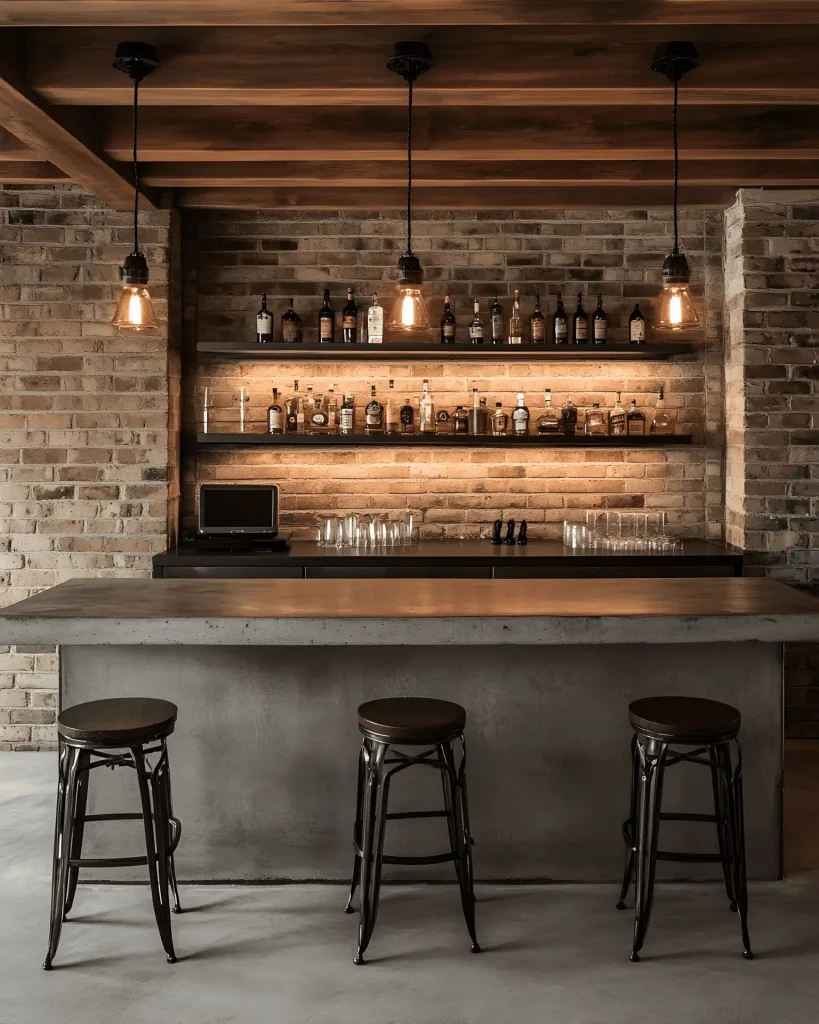
Concrete brings a strong, authentic character to modern industrial decor. Its raw appearance works beautifully with wood, metal, leather, and other natural materials while providing a practical foundation for both residential and decorative applications.
Polished Concrete Floors: A Sleek Foundation
Polished concrete floors are an excellent choice for industrial interiors. They offer:
- Exceptional durability
- Low maintenance requirements
- A seamless, modern appearance
- Thermal efficiency
Innovative Concrete Wall Treatments
Concrete walls can be enhanced with different finishes and treatments, including:
- Textured concrete panels
- Acid-etched finishes
- Colored concrete overlays
Decorative Concrete Features
Concrete can also be incorporated into smaller design elements, such as:
- Countertops
- Side tables
- Sculptural art pieces
- Outdoor furniture
Combining these concrete features with softer textures and warm materials helps create a space that feels industrial without becoming cold or overly stark.
Metal Accents and Industrial Hardware
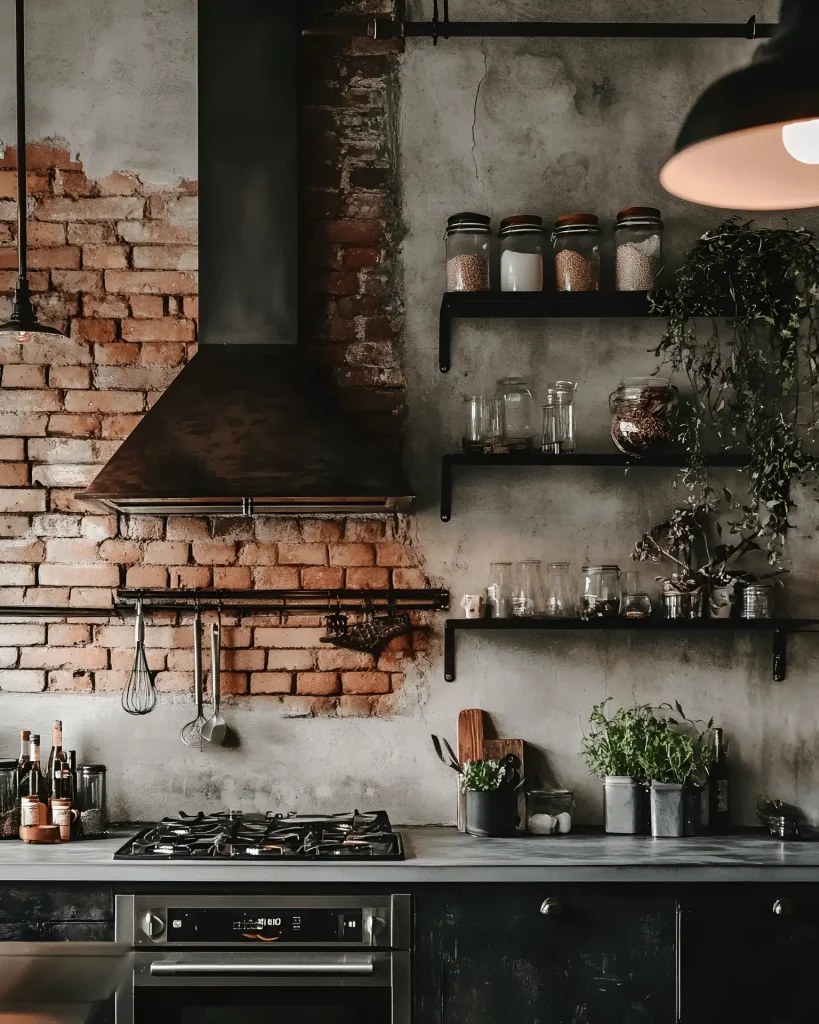
Metal accents can instantly strengthen the character of an industrial style home. From exposed shelving and iron lighting to vintage hardware and metal cabinetry, these details bring an authentic industrial feel while adding visual interest.
When selecting metal accents, consider the following:
- Choose raw steel finishes for an authentic industrial appearance.
- Mix metallic textures such as brushed nickel, copper, and aged brass.
- Use structural metal elements as decorative features.
- Select hardware with visible bolts and industrial-inspired details.
Look for pieces that emphasize craftsmanship and industrial heritage, including exposed pipe shelving, factory-inspired lighting, vintage cabinets, and salvaged metal objects. Balance harder metals with leather, wood, or exposed brick to make the overall space feel warmer and more comfortable.
Open Floor Plans and High Ceilings
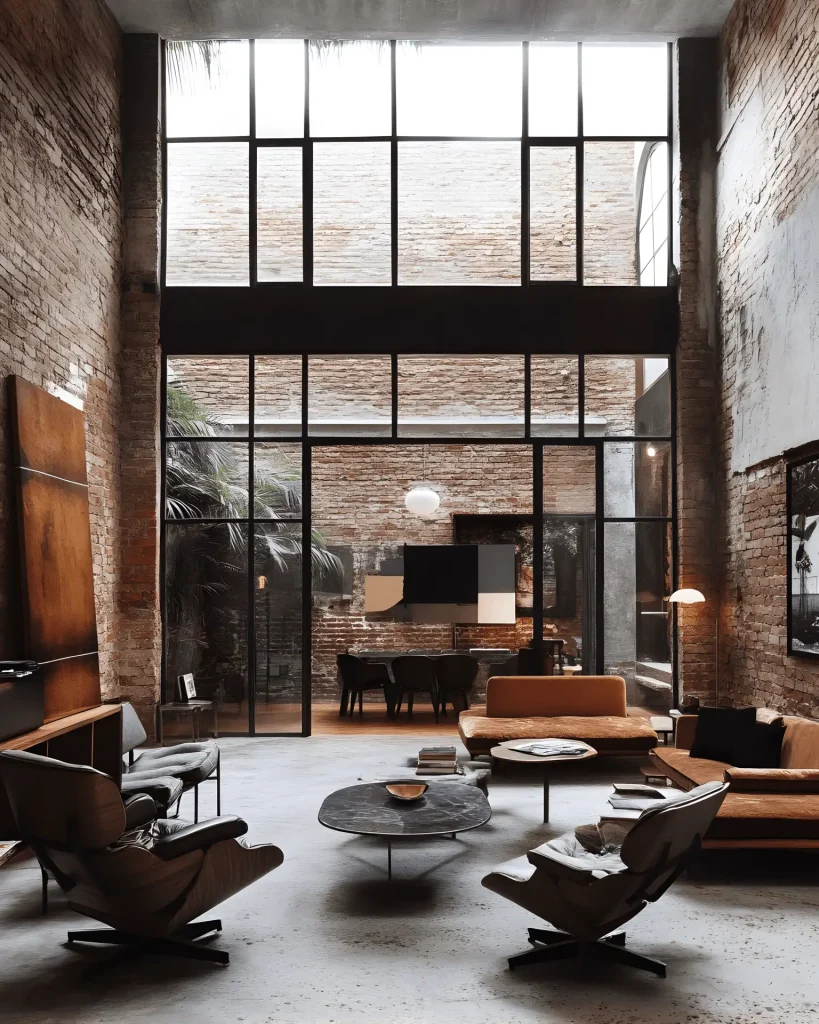
Industrial style interior design works particularly well with open floor plans and high ceilings. Open layouts create an airy atmosphere while allowing architectural features, furniture, and materials to become part of the overall design.
Strategic Space Planning
A large open space still needs thoughtful organization. Use these approaches to create defined areas without closing off the room:
- Use area rugs to separate different zones.
- Try partial room dividers with open shelving.
- Arrange furniture to establish clear functional areas.
- Maintain a consistent color palette throughout the space.
Vertical Design Elements
High ceilings provide an opportunity to draw attention upward. Consider:
- Installing tall industrial-style shelving.
- Hanging artwork at different heights.
- Choosing bold light fixtures that emphasize the ceiling.
- Highlighting exposed beams as architectural features.
Lighting Considerations
Lighting is especially important in large industrial spaces. Pendant lights, track lighting, and adjustable floor lamps can define individual areas while adding warmth and maintaining the industrial aesthetic.
Industrial Style Home Lighting Solutions
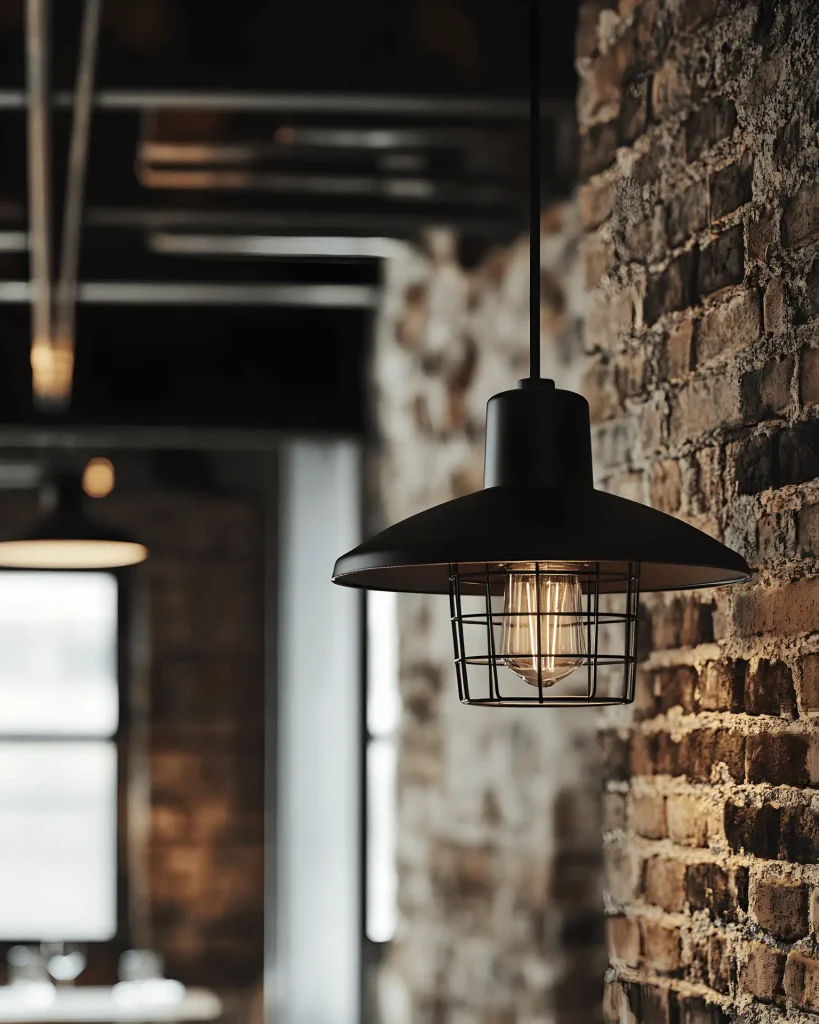
Lighting plays an important role in bringing a modern industrial home to life. The right fixtures can highlight architectural details, create visual interest, and soften the raw character of materials such as concrete, brick, and metal.
Popular industrial lighting options include:
- Exposed-bulb fixtures with metal casings
- Vintage Edison bulbs with visible filaments
- Factory- and warehouse-inspired pendant lights
- Track lighting with adjustable metal heads
Layering different types of lighting can add depth and flexibility. Pendant lights can act as dramatic focal points, while wall sconces provide practical illumination and metal-framed floor lamps add another layer of warmth.
Raw steel, copper, and aged brass are excellent choices for industrial fixtures. Details such as exposed bolts, mechanical components, and industrial-style switches can further reinforce the design theme.
Vintage and Salvaged Furnishings
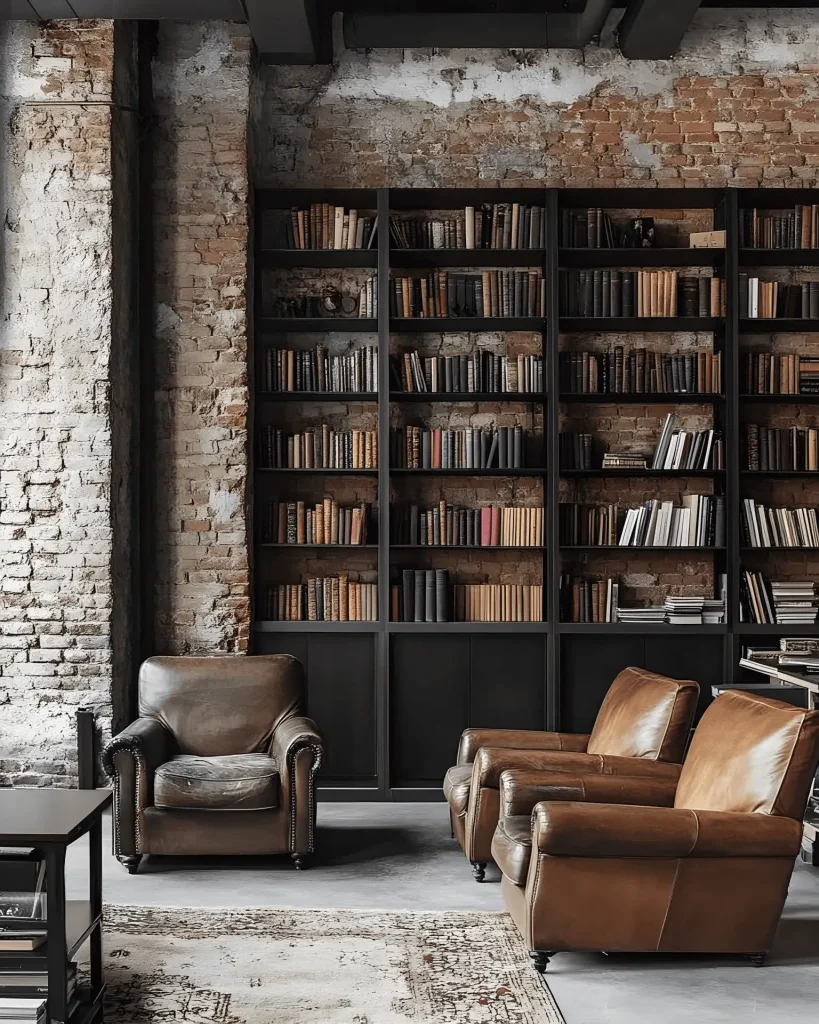
Vintage and salvaged furnishings bring history, character, and individuality to industrial house decor. Their worn finishes and distinctive details pair naturally with raw materials while preventing the space from feeling too new or uniform.
Sourcing Authentic Pieces
Consider looking for vintage furnishings at:
- Local antique markets
- Vintage warehouse sales
- Online specialty marketplaces
- Estate sales and auctions
Mixing Old with New
A successful industrial interior often combines old and new pieces. Pair a weathered metal bench with contemporary chairs, or combine salvaged industrial lighting with simple modern decor. The contrast creates a more layered and interesting space.
Maintenance Tips
Vintage furniture requires thoughtful care. Use suitable cleaners, avoid harsh chemicals, and protect metal surfaces from excessive moisture. Proper maintenance helps preserve both the appearance and functionality of older pieces.
Exposed Mechanical Systems and Ductwork
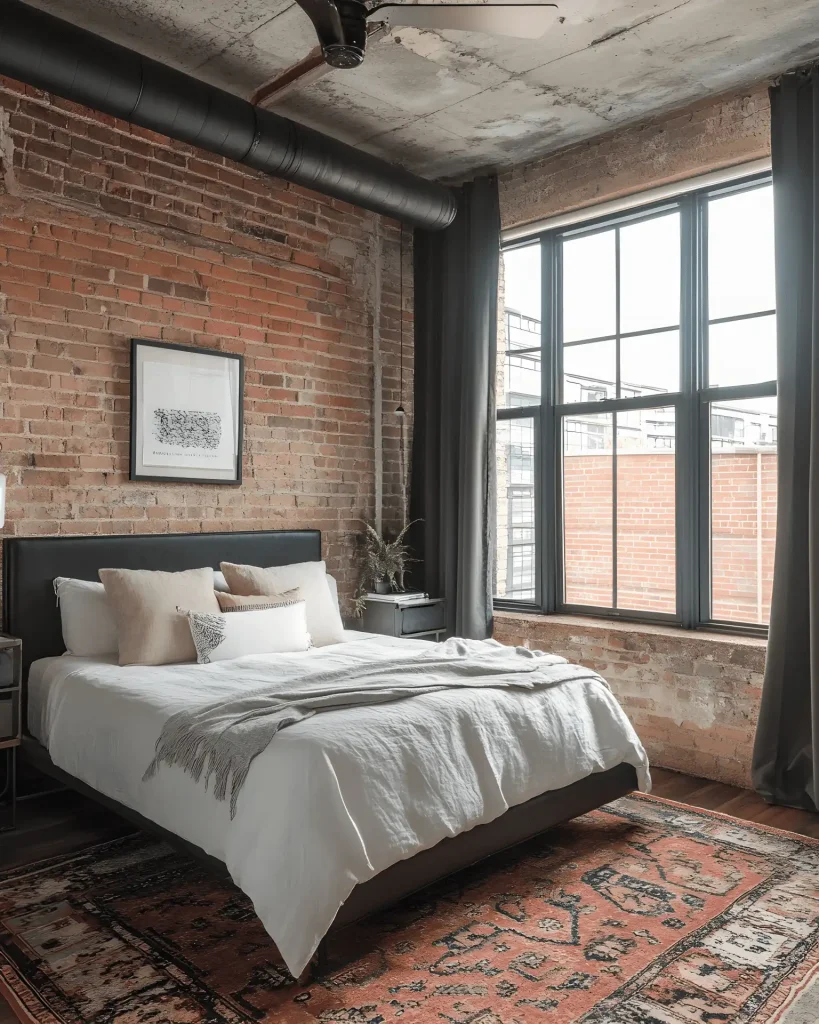
Exposed pipes, ductwork, and mechanical systems are classic elements of industrial design. Instead of hiding these functional features, an industrial interior can make them part of the visual character of the space.
Here are some ways to incorporate exposed systems:
- Paint ductwork in neutral shades such as matte black or slate gray.
- Leave metal components in their natural finish.
- Coordinate mechanical elements with the overall color palette.
- Use strategic lighting to highlight architectural infrastructure.
Exposed systems should still be carefully installed and finished. Proper insulation can improve energy efficiency, while sound treatments can help reduce unwanted noise. When thoughtfully incorporated, mechanical elements can look intentional rather than unfinished.
Wood and Metal Fusion in Industrial Design

Combining wood and metal is one of the easiest ways to create balance in industrial style interior design. Cool, hard metal surfaces contrast beautifully with the warmth and natural texture of wood, creating a space that feels rugged yet comfortable.
Material Selection Guide
When selecting materials, keep these ideas in mind:
- Choose reclaimed wood for rich texture and character.
- Select metal finishes that complement the wood tones.
- Look for natural patina and weathered edges.
- Balance warm wood with cooler metal surfaces.
Finishing Techniques
The right finishing techniques can enhance the natural appearance of both materials. Consider:
- Sanding wood surfaces to highlight the natural grain.
- Applying metal sealants to help prevent rust.
- Combining brushed, matte, and polished metal finishes.
- Using clear coats to protect surfaces while maintaining their raw appearance.
Carefully combining these materials creates an industrial interior that feels authentic, balanced, and sophisticated.
Large Windows and Natural Light Integration

Large windows are an important feature of an industrial style house because they allow natural light to brighten open spaces and connect the interior with the outdoors. They can also make concrete, brick, metal, and wood feel warmer and more inviting.
For better natural light, consider:
- Installing floor-to-ceiling windows where appropriate.
- Choosing minimal steel or black aluminum frames.
- Using clear or lightly tinted glass.
- Positioning windows to capture natural sunlight throughout the day.
Reflective surfaces such as mirrors, polished concrete, and metallic accents can help distribute light throughout the room. Window treatments should complement the industrial aesthetic while still providing privacy and light control. Simple roller blinds, metal shades, or raw linen curtains can work well.
Industrial Style Kitchen Features

Creating an industrial-style kitchen requires a balance between raw materials, practical features, and modern functionality. Stainless steel, concrete, reclaimed wood, and open storage can give the kitchen a distinctive industrial character.
Commercial Grade Appliances
Choose appliances with durable construction and industrial-inspired finishes. Stainless steel refrigerators, professional ranges, and industrial-style dishwashers can provide both functionality and visual appeal.
- Stainless steel finish
- Professional-grade performance
- Minimalist design elements
Smart Storage Solutions
Industrial kitchens benefit from open and organized storage. Consider:
- Open shelving with metal brackets
- Hanging pot racks
- Magnetic knife strips
- Rolling kitchen carts
Work Surface Options
Countertops and work surfaces can reinforce the industrial aesthetic. Consider:
- Stainless steel countertops
- Concrete surfaces
- Butcher block islands
- Reclaimed wood preparation areas
Combining durable appliances, efficient storage, and character-rich surfaces can create a kitchen that feels practical while staying true to modern industrial home design.
Furniture and Decor

Furniture and decor are essential for making an industrial-style space feel complete. The goal is to combine practical pieces with strong silhouettes, natural materials, and decorative elements that complement the raw architecture.
Minimalist Furniture Silhouettes
Industrial furniture can range from sleek and streamlined to large and substantial. Larger pieces can help define areas within an open layout while preventing the space from feeling empty.
- Sectional Sofa: Provides comfortable seating while defining the living area.
- Tall Shelving Units: Add vertical storage and create space for displaying decor.
- Oversized Cabinets: Provide substantial storage while reinforcing the industrial aesthetic.
- Long Benches: Offer practical seating and work well in dining areas.
Decorative Elements
Decorative pieces add personality and warmth to an industrial interior. Consider incorporating:
- Architectural Elements: Concrete floors, brick walls, exposed ducts, and steel beams can reinforce the industrial character.
- Industrial Lighting: Large shades, dark metals, and Edison bulbs provide both style and warmth.
- Accent Chairs: Leather and neutral fabric chairs add comfort while complementing metal tables.
- Oversized Artwork: Large artwork can balance tall walls, establish focal points, and add personality.
| Element | Description | Purpose |
|---|---|---|
| Sectional Sofa | Large, comfortable seating | Defines the living area |
| Tall Shelving Units | Vertical storage and display | Adds height |
| Oversized Cabinets | Substantial storage | Strengthens the industrial vibe |
| Long Benches | Practical dining seating | Complements the minimalist style |
| Architectural Elements | Concrete, brick, ducts, and steel beams | Enhances the industrial feel |
| Industrial Lighting | Metal fixtures and Edison bulbs | Creates a warm, inviting glow |
| Accent Chairs | Leather or neutral fabric seating | Adds comfort and style |
| Oversized Artwork | Large statement pieces | Balances the room and adds personality |
By carefully combining furniture, lighting, architectural details, and decorative accents, you can create a cohesive industrial-style home that feels stylish, functional, and comfortable.
Conclusion: Modern Industrial Style Home
Creating the perfect modern industrial style home is about more than following a trend. It is an opportunity to combine raw materials, practical features, and personal style into a space with genuine character. Exposed brick, concrete, metal accents, large windows, and vintage furnishings can all contribute to the distinctive industrial aesthetic.
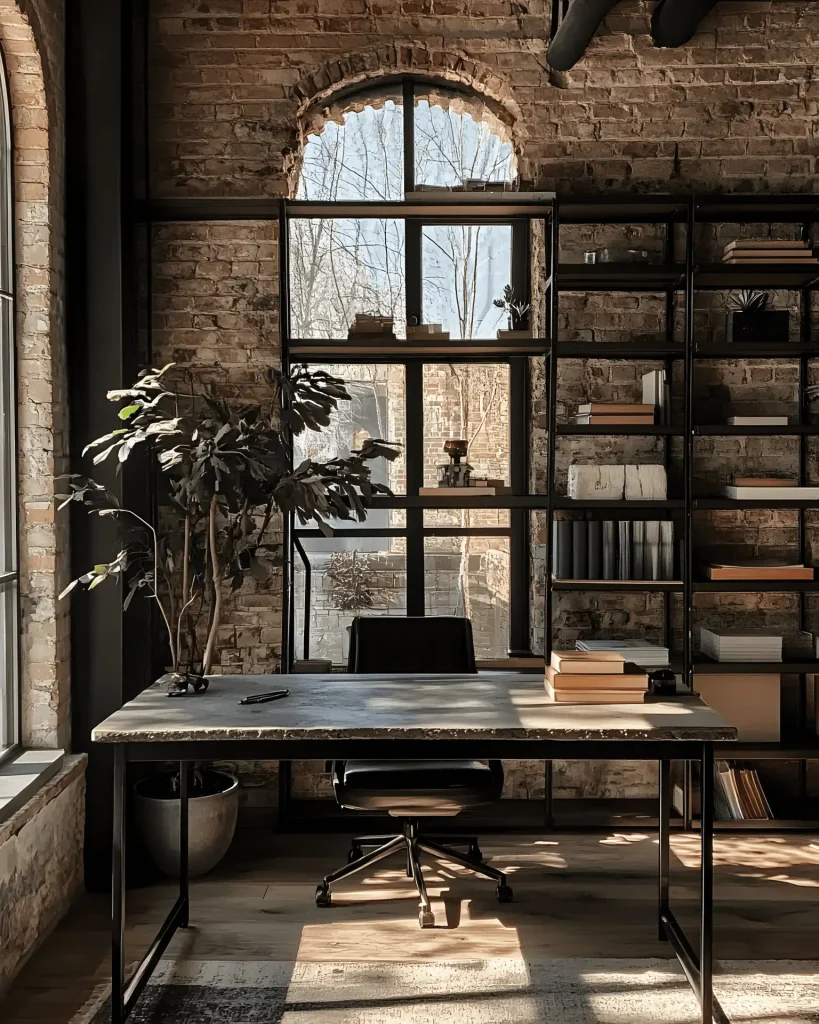
The key is finding the right balance between rugged and comfortable. Mix vintage and modern pieces, experiment with textures and colors, and choose details that reflect your personality. With thoughtful design choices, an industrial home can feel bold and sophisticated while still being warm, practical, and inviting.