
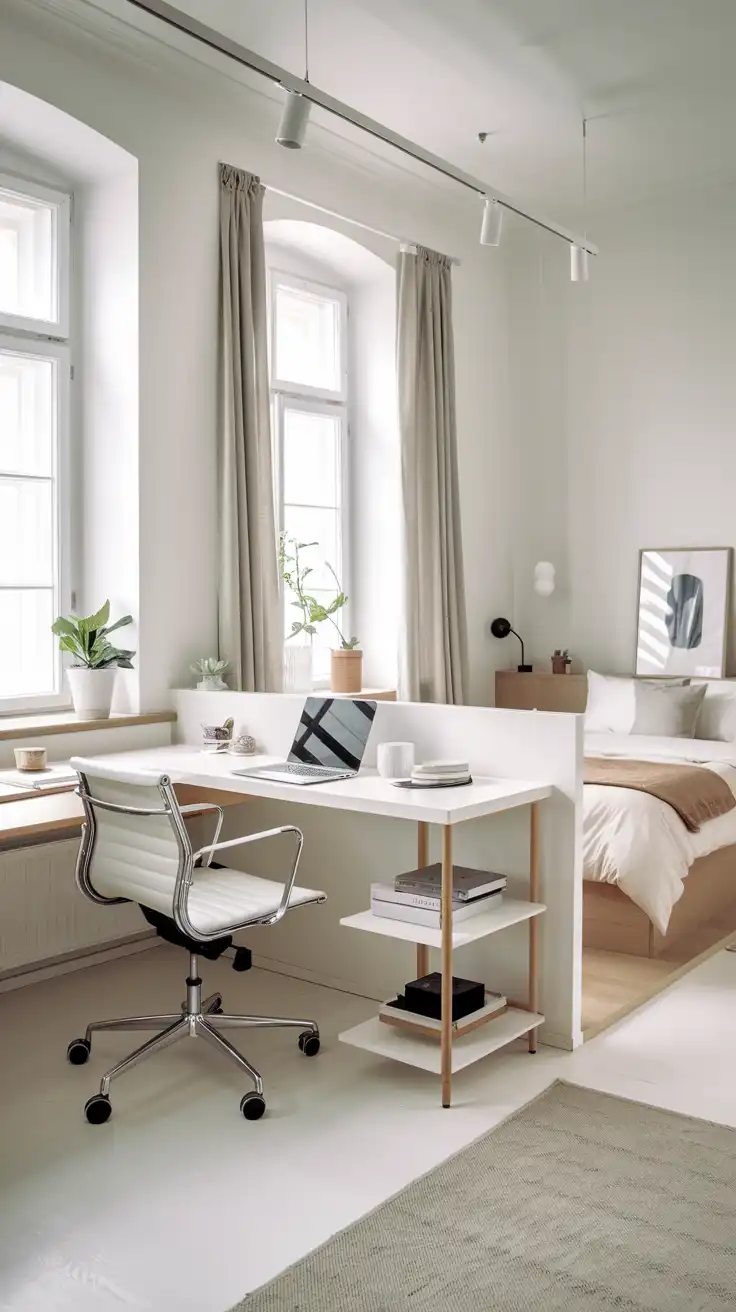
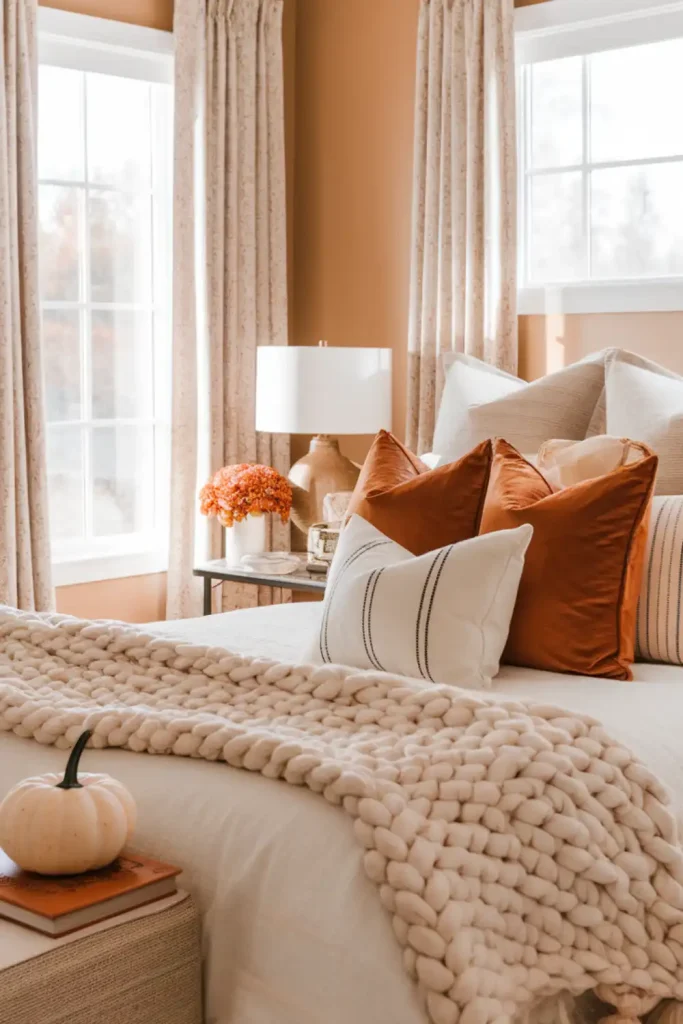
Creating a functional and stylish office spare bedroom combo is a smart way to make the most of an extra room. Whether you work remotely, occasionally host overnight guests, or simply want a flexible space, the right design can help you achieve both comfort and practicality.
With thoughtful planning, you can create a room that feels like a productive workspace during the day and a comfortable guest bedroom when needed. From choosing the right furniture to improving lighting and organization, every detail can contribute to a successful dual-purpose room.
Key Takeaways
- Assess the room and identify your work and sleeping requirements
- Plan a layout that makes efficient use of the available space
- Choose versatile furniture such as a Murphy bed or daybed
- Invest in an ergonomic desk and supportive office chair
- Use suitable lighting for both productivity and relaxation
- Add multifunctional storage to reduce clutter
- Create separate work and sleeping zones with dividers or partitions
Assessing Your Room Space and Needs
Designing the perfect office and spare bedroom combo begins with understanding the available space and deciding how you want to use it. Careful planning makes it easier to create a flexible room that supports both work and rest.
Measuring the Room Dimensions
Start by measuring the length, width, and height of the room. Accurate measurements will help you determine which furniture pieces can fit comfortably and how much walking space you will have.
Pay attention to windows, doors, closets, electrical outlets, radiators, and built-in shelving. These features can affect where you place your desk, bed, storage, and other furniture.
A detailed floor plan can also help you experiment with different arrangements before moving heavy furniture into the room.
Determine Work and Sleep Requirements
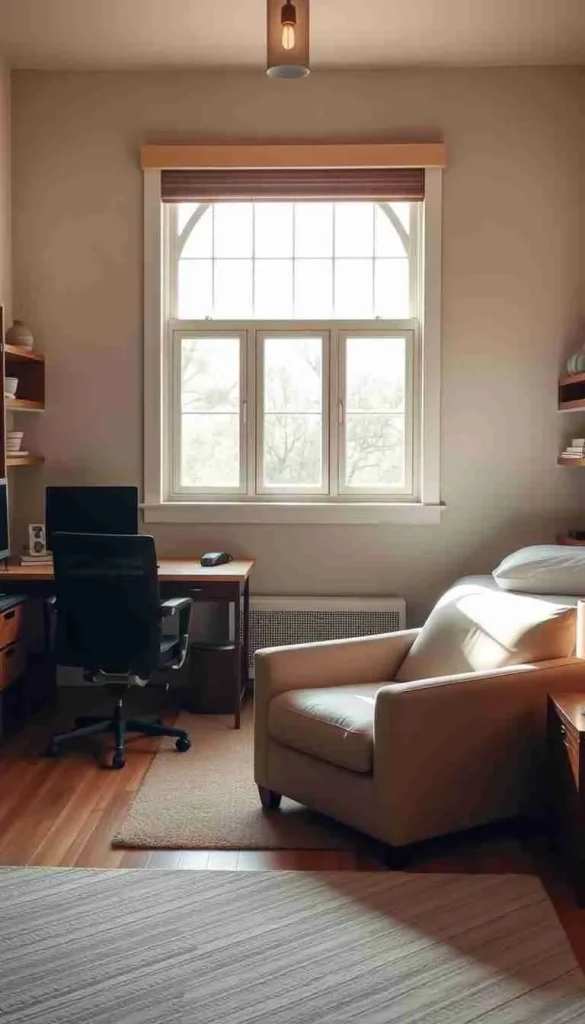
Next, consider exactly what you need from the space. Think about your daily work routine as well as what guests will need when staying overnight.
Ask yourself:
- What type of work will you perform in the room?
- How large does your desk need to be?
- How much space is required for monitors and other equipment?
- What size bed or sleeping arrangement will work best?
- How much clothing and personal storage will guests need?
- Will the room need to accommodate additional seating?
Answering these questions will help you prioritize the most important features and create a comfortable space that serves both purposes.
Creating a Functional Hybrid Work space Layout
A successful office spare bedroom combo depends heavily on its layout. The goal is to make the room feel spacious while giving both the workspace and sleeping area enough room to function independently.
Start by considering where natural light enters the room. A desk positioned near a window can provide pleasant daylight during working hours, while the bed can be placed in a quieter corner.
Creating separate zones is another effective strategy. Even when the room is small, visual separation can make the space feel more organized. A bookshelf, curtain, folding screen, or open shelving unit can distinguish the office from the sleeping area.
Choose furniture that serves multiple purposes whenever possible. A folding desk, sleeper sofa, Murphy bed, or storage ottoman can help save valuable floor space.
Wall-mounted shelves and tall storage units can also provide useful storage without taking up much room. With a thoughtful furniture arrangement, your hybrid workspace can remain comfortable, organized, and practical.
Choosing the Right Guest Room Office Furniture
The furniture you select can make a major difference in how well your spare bedroom functions as an office. Look for pieces that are comfortable, practical, and capable of serving more than one purpose.
Selecting a Versatile Bed Option
A Murphy bed is one of the most useful choices for an office-bedroom combination. It can be folded against the wall when the room is being used as an office and opened when guests arrive.
A sleeper sofa or daybed can also work well, particularly in smaller rooms. These options provide seating during the day while offering a comfortable place to sleep at night.
If you prefer a traditional bed, consider choosing a compact frame with built-in drawers underneath. This provides sleeping space while adding valuable storage.
Investing in an Ergonomic Desk and Chair
A comfortable desk and supportive chair are essential for a productive workspace. An ergonomic setup can make long working sessions more comfortable and help you maintain a better sitting position.
Choose a desk with enough surface area for your computer, monitor, keyboard, and everyday office supplies. If space allows, an adjustable standing desk can provide additional flexibility by allowing you to alternate between sitting and standing.
Pair your desk with a chair that offers good back support, adjustable height, and comfortable cushioning. The right combination can make your home office much more enjoyable to use.
Incorporating Multifunctional Storage Solutions
Storage is particularly important when one room needs to accommodate both office supplies and guest belongings.
Consider a bed with built-in drawers, a storage bench, a filing cabinet, or an ottoman with hidden storage. Floating shelves can also keep frequently used items accessible without consuming valuable floor space.
A wall-mounted desk with shelving can be another excellent option for smaller rooms. When furniture performs multiple functions, you can keep the room practical without making it feel overcrowded.
Optimizing Lighting for Work and Relaxation
Lighting plays an important role in an office and bedroom combination. You need bright, focused illumination for work and softer lighting for relaxing or preparing the room for guests.
Begin with natural light whenever possible. Positioning your desk close to a window can make the workspace feel brighter and more inviting during the day.
Use curtains or adjustable blinds to control glare and privacy. If the room does not receive much natural light, combine ceiling fixtures, task lighting, and accent lamps to create a balanced environment.
Installing Task Lighting for Focused Work
A desk lamp with an adjustable arm can provide focused illumination while you work. Position it so that it lights your workspace without creating distracting reflections on your computer screen.
Adjustable brightness is particularly useful because you can increase the light when working and reduce it when the room is being used for other activities.
Creating a Cozy Ambiance with Soft Lighting
Soft lighting helps transform the room from a workspace into a relaxing bedroom. Bedside lamps with warm bulbs can create a comfortable atmosphere for reading or unwinding.
Wall sconces, floor lamps, and decorative lighting can also add warmth and personality. If possible, use dimmable fixtures so the brightness can be adjusted according to the time of day and activity.
Hybrid Work space Storage and Organization
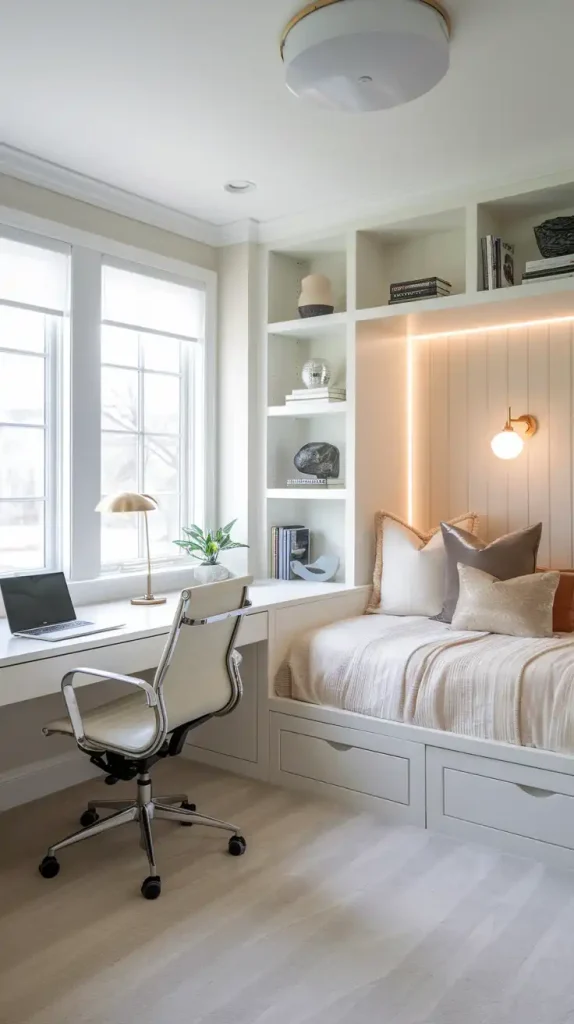
An office spare bedroom combo can quickly become cluttered if there is not enough storage. Keeping everything organized helps the room feel larger and makes it easier to switch between work mode and guest mode.
Choose furniture that provides hidden or built-in storage. A bed with drawers, a desk with compartments, or a storage bench can help keep everyday items out of sight.
Make use of vertical space as well. Wall-mounted shelves, tall bookcases, pegboards, and hanging organizers can provide additional storage without taking up much floor area.
For paperwork, create a simple filing system using labeled folders or compact drawers. Digitalizing documents that do not need to be stored physically can also reduce unnecessary clutter.
Decorative baskets and boxes are useful for storing cables, chargers, stationery, blankets, and other small items. Choose containers that complement the room’s decor so that organization becomes part of the overall design.
Designing a Functional Home Office Nook
A dedicated office nook can work especially well when the room is small. Instead of allowing the desk to dominate the entire bedroom, create a clearly defined workspace that fits naturally into the room.
A corner near a window, an unused wall, or a section of built-in shelving can often become an efficient office area.
Separating the Office Area from the Bedroom
Keeping the desk visually separate from the bed can make it easier to concentrate during working hours and relax afterward.
Try placing the desk away from the sleeping area whenever possible. You can also position the desk so that the bed is not directly within your line of sight while working.
A bookshelf, curtain, decorative screen, or open shelving unit can create a subtle division without making the room feel closed off.
Utilizing Room Dividers or Partitions in Your Hybrid Work Space
Room dividers provide an easy way to establish separate zones in a multifunctional room.
Folding screens are flexible and can be moved whenever you need more open space. Curtains are another affordable option that can provide privacy and create a softer appearance.
Open bookcases are especially practical because they divide the room while also providing storage. You can use them for books, office supplies, decorative pieces, and guest essentials.
The best divider depends on the size and style of your room, but even a simple visual separation can make a major difference.
Incorporating Ergonomic Design Principles
An ergonomic home office should be designed around comfort and proper positioning. Since you may spend several hours working at your desk, the furniture should support a healthy and comfortable posture.
Ensuring Proper Desk and Chair Height
Your desk should allow your arms to rest comfortably while typing, with your elbows positioned close to a right angle. Your chair should be adjustable enough to allow your feet to rest comfortably on the floor.
A height-adjustable desk can provide even more flexibility by allowing you to alternate between sitting and standing.
Make sure there is enough legroom beneath the desk and avoid placing storage boxes or other objects where they restrict movement.
Positioning the Computer Monitor at Eye Level
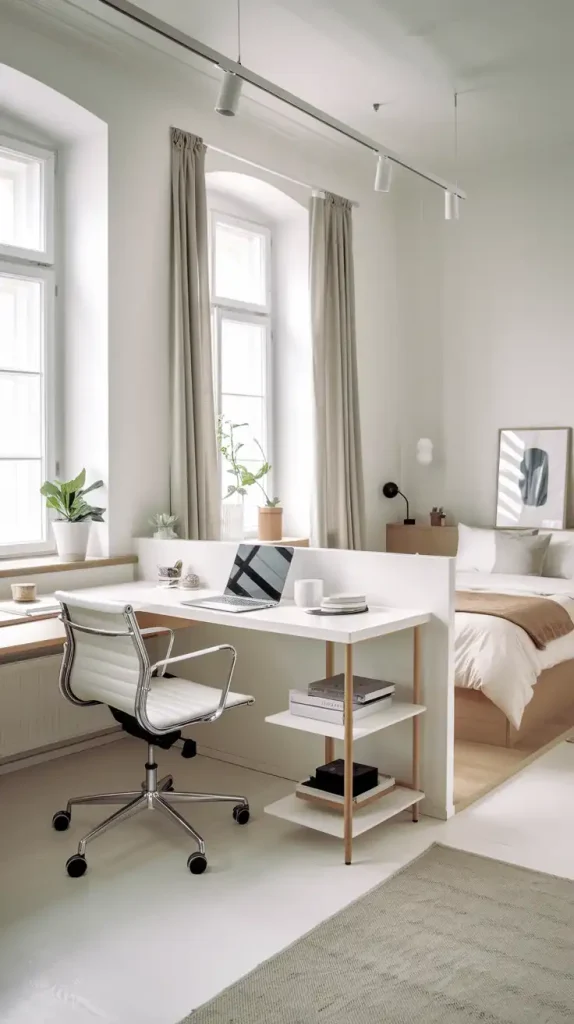
Place your monitor directly in front of you and approximately an arm’s length away. The top portion of the screen should generally be at or slightly below eye level.
If you primarily use a laptop, consider using a laptop stand along with a separate keyboard and mouse. This allows you to raise the screen while keeping your hands and arms in a more comfortable position.
These simple ergonomic adjustments can make your hybrid workspace more comfortable and functional.
Maintain a Clutter-Free Hybrid Work Space
A clean and organized office spare bedroom combo feels more spacious and relaxing. Clutter can make it difficult to focus while also making the bedroom less welcoming for guests.
Start by removing items that you no longer need. Donate, recycle, or discard unnecessary belongings and keep only the items that serve a purpose.
Use vertical storage, wall-mounted shelves, drawer organizers, and storage boxes to keep frequently used items organized. Try to give every item a designated place.
Spend a few minutes at the end of each workday putting supplies away and clearing your desk. This simple routine makes it easier to begin the next day with a clean workspace.
A clutter-free room can support productivity during working hours while creating a calmer environment when it is time to relax.
Office Spare Bedroom Combo: Balancing Style and Functionality
Creating a dual-purpose room requires a balance between appearance and practicality. The space should look inviting without sacrificing the features you need for work.
Choose a simple color palette that works well for both an office and a bedroom. Soft whites, warm neutrals, beige, gray, and muted colors can create a calm foundation.
You can introduce personality through artwork, cushions, rugs, curtains, desk accessories, and decorative objects.
Multifunctional furniture is another key element. A Murphy bed can disappear during the day, while a storage bench can provide both seating and hidden storage.
Keep the room visually consistent by choosing furniture and accessories that complement each other. When the design feels cohesive, the office and bedroom areas will look like intentional parts of the same room rather than two unrelated spaces.
Personalizing Your Home Office Nook
Once the basic layout and furniture are in place, add personal details that make the space feel comfortable and inspiring.
Artwork, framed prints, decorative accessories, and meaningful objects can give the room character without creating unnecessary clutter.
Choose pieces that reflect your personality and make you feel positive while working. At the same time, avoid filling every available surface, as too many decorative items can make a small room feel crowded.
Incorporating Plants for a Touch of Nature
Plants can bring freshness and natural beauty into an office-bedroom combination. Smaller varieties can be placed on shelves, desks, or windowsills without taking up much space.
Low-maintenance options are especially useful if you do not want to spend a lot of time caring for plants. Choose varieties that suit the available light and the conditions inside your room.
A few carefully placed plants can soften the appearance of the workspace while adding a welcoming touch to the guest bedroom.
Displaying Personal Mementos and Photographs
Personal photographs and meaningful keepsakes can make the room feel more connected to your home.
Display a few favorite photographs in simple frames or arrange small mementos on a shelf. Keep the display selective so that it adds personality without overwhelming the workspace.
The result should be a room that feels personal, comfortable, and welcoming while remaining practical for everyday work and occasional guests.


