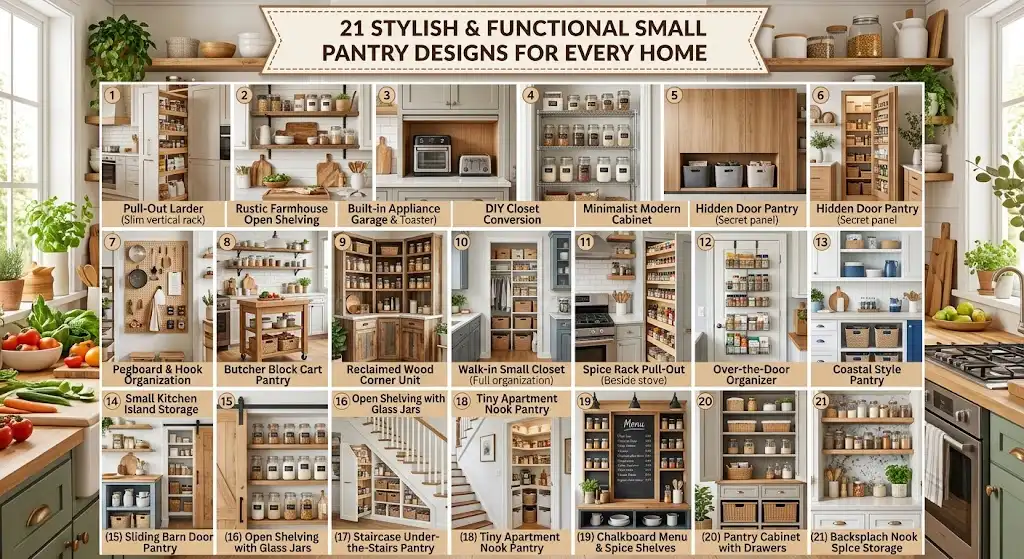
This post is all about outdoor garden decor.
Refreshing your patio, porch, or backyard doesn’t have to mean taking on a major renovation. With a few affordable and thoughtful updates, you can make your outdoor space feel more inviting, comfortable, and stylish. Whether you have a spacious yard or a small balcony, the right outdoor garden decor can completely change how the area looks and feels.
These ideas are practical, budget-friendly, and easy to adapt to different spaces and styles. Some work well for renters, while others are better suited to permanent outdoor setups. The goal is to make noticeable improvements without spending a fortune or starting an overwhelming project.
From layered container gardens and statement planters to cozy seating, outdoor lighting, and decorative pathways, there are plenty of simple ways to give your garden a fresh look. You can choose just one idea or combine several to create a space that feels personal and finished.
Quick Tip: Start with one or two updates that appeal to you most. Adding garden stakes, a bird feeder, new cushions, or outdoor lighting can make a surprisingly big difference when each element is placed thoughtfully.
Create Layered Container Garden Displays

Layered container gardens are one of the simplest ways to refresh your outdoor garden decor. They are portable, easy to rearrange, and suitable for patios, balconies, porches, and larger yards. Since containers can be moved around, you can experiment with different arrangements and adjust their position based on sunlight and plant needs.
For a more attractive display, combine plants with different heights, textures, and shapes. Start with a taller plant such as ornamental grass or a dwarf shrub. Add a medium-height flowering plant like salvia, geranium, or marigold, then finish with a trailing plant such as petunia, sweet potato vine, or ivy.
Grouping containers in odd numbers, such as three or five, can create a balanced and natural appearance. Use different pot sizes and heights rather than placing identical containers together. The goal is to create an arrangement that looks relaxed while still feeling intentional.
The material of your containers also affects both appearance and maintenance. Terracotta pots have a classic look but tend to dry out faster. Glazed ceramic containers retain moisture and can add a pop of color, while concrete planters provide a sturdy, modern appearance.
For renters, repurposed wooden crates or other portable planters can be a practical choice as long as they have proper drainage.
Try combinations such as ornamental grass, salvia, and trailing petunia for summer color. For an aromatic display, combine rosemary, lavender, and thyme. In shady areas, coleus, impatiens, and ivy can create a lush arrangement.
Layer Your Outdoor Lighting for Ambiance

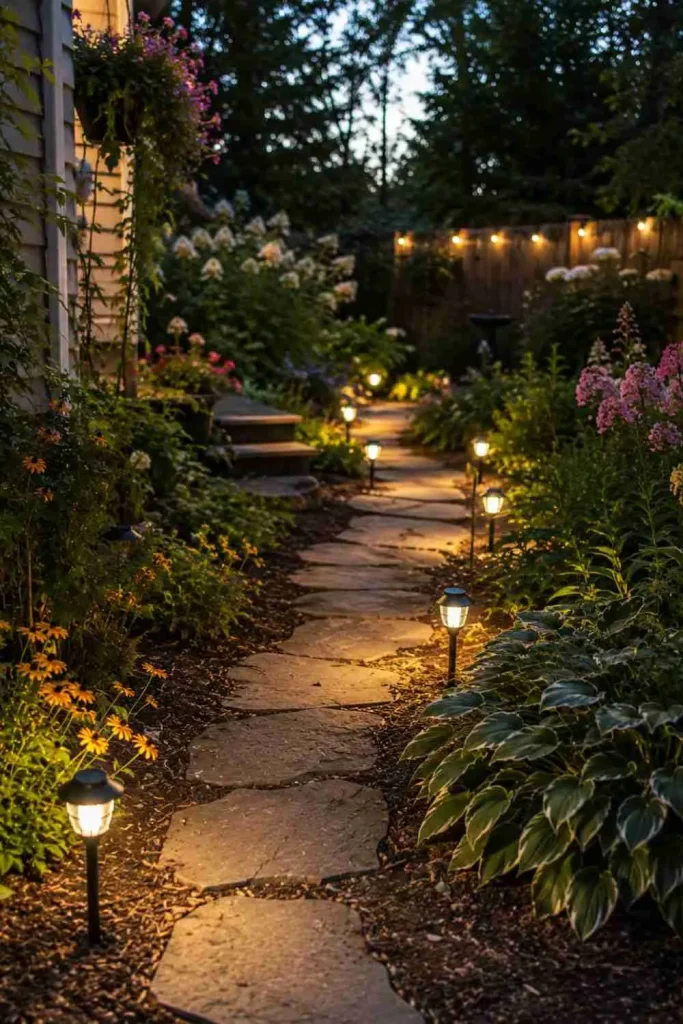
The right outdoor lighting can completely change a garden once the sun goes down. Instead of relying on a single light source, use several types of lighting at different heights to create atmosphere, improve visibility, and highlight important features.
String lights are an easy option for adding a warm glow above patios, seating areas, or pergolas. Pathway lights can help guide movement through the garden, while uplighting can draw attention to trees, sculptures, architectural details, or attractive plants.
For seating areas, consider adding outdoor lamps or wall-mounted fixtures where appropriate. This creates useful task lighting for activities such as reading, dining, or entertaining.
Warm-toned bulbs generally create a more welcoming outdoor atmosphere than harsh, cool-white lighting. Solar pathway lights are another convenient choice because they don’t require traditional wiring. However, they work best when placed somewhere that receives enough direct sunlight during the day.
For covered patios or shady areas, battery-operated LED fixtures can be a useful alternative. If you choose wired lighting, make sure the fixtures are designed for outdoor use and that the electrical installation is appropriate for outdoor conditions.
A simple combination of string lights and pathway lights can make a patio or garden feel more inviting without requiring a large decorating budget.
Use Statement Planters as Focal Points
A large statement planter can instantly become the focal point of an outdoor space. Rather than filling every corner with small pots, choose one or two substantial containers that naturally draw attention.
Look for planters with interesting textures, bold colors, or distinctive shapes. The plants inside should be proportional to the container. A large planter can hold ornamental grass, a small tree, or a combination of taller plants and seasonal flowers, while shallow bowls can work well for succulents.
Think carefully about placement before deciding where your statement planter will go. Positioning it where it can be seen from a window, doorway, or main seating area allows you to enjoy the feature more often.
For patios, larger containers can provide a stronger visual presence than several tiny pots. In a spacious yard, oversized planters can help define entrances, seating areas, or garden corners.
Choose plants according to your growing conditions. A dwarf Japanese maple with ferns can work beautifully in a suitable temperate setting, while rosemary and succulents are useful choices for hot, dry environments. Shade-friendly combinations such as hostas and heuchera can bring texture to darker corners.
Define Spaces with Garden Pathways
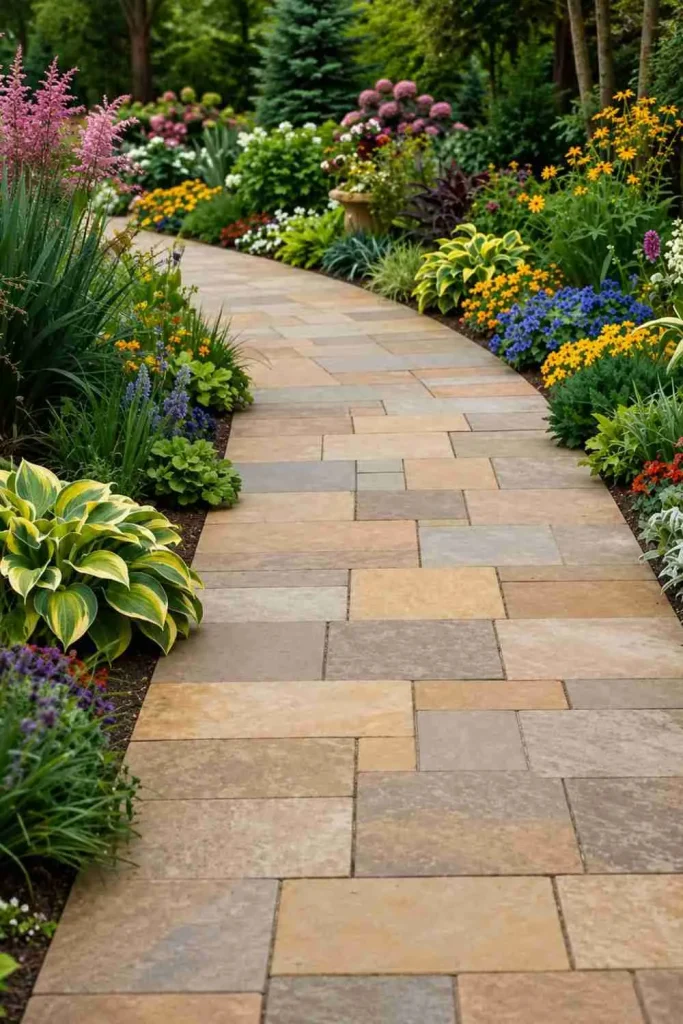
Garden pathways are both decorative and functional. They guide people through the yard while helping define different areas for planting, seating, entertaining, and relaxing.
The best pathway material depends on your budget, the amount of traffic, and the style of your garden. Flagstone and pavers create a polished and durable appearance, while gravel provides a more relaxed and affordable option. Stepping stones are ideal when you want a casual, natural-looking path.
Consider the width of the walkway based on how you plan to use it. A narrow garden path can work for casual strolling, while a main walkway should provide enough room for people to pass comfortably. For an accessible route, choose a firm and relatively level surface and follow applicable local requirements.
Plants and edging can make pathways feel more integrated with the surrounding garden. Low-growing thyme, dwarf lavender, or simple decorative edging can soften hard surfaces and create a finished appearance.
Adding pathway lighting is another way to improve the space. Solar stakes can work well for simple garden routes, while more permanent lighting may be appropriate for heavily used walkways.
Establish Comfortable Outdoor Seating Areas

A garden becomes much more enjoyable when you have a comfortable place to sit. Even a single chair or small bench can turn an unused corner into a relaxing outdoor retreat.
When arranging furniture, think about the view and how you want to use the space. Face chairs toward an attractive garden feature, position seating around a small table for conversation, or create a quiet corner where you can enjoy your morning coffee.
Choose materials based on your climate and maintenance preferences. Powder-coated metal is durable, synthetic wicker offers a relaxed appearance, and treated wood brings warmth and natural character to the space.
Outdoor cushions are an easy way to introduce color and comfort. Look for fabrics designed to handle outdoor conditions and choose colors that complement your plants and other decor.
You don’t need a complete furniture set to create an inviting seating area. A secondhand bench paired with fresh cushions can work beautifully on a budget. Another simple arrangement is one comfortable chair, a small side table, a decorative pillow, and nearby lighting.
Add Soothing Water Features

Water features bring movement and gentle sound to an outdoor garden. The sound of flowing water can create a peaceful atmosphere and make a patio or garden feel more relaxing.
A large pond isn’t necessary. Small tabletop fountains, bubbling pots, urns, wall fountains, and compact recirculating water features can all work in smaller spaces.
Choose the location carefully. Place the feature somewhere you can hear and enjoy it, such as near a seating area, patio, or window. Make sure the surface is stable and level, and choose a design that allows easy access to the pump for cleaning.