Van life is all about freedom, adventure, and creating a space that feels like home wherever you park. With thoughtful van interior design, even a compact vehicle can become a comfortable, stylish, and highly functional living space.
I still remember seeing a converted Sprinter van for the first time. The clever layout, cozy finishes, and smart use of storage made me realize just how much could be done with a small space. It completely changed the way I thought about mobile living.
Whether you want a van for weekend getaways, extended road trips, remote work, or full-time travel, your design should match the way you actually live. The right combination of furniture, storage, lighting, and personal touches can turn an ordinary van into a cozy home on wheels.
From multifunctional beds and clever kitchens to outdoor living areas and budget-friendly DIY projects, these van interior design ideas can help you create a space that is both practical and inviting.
The Essentials of Van Interior Design: Creating Your Mobile Sanctuary
Creating a comfortable van starts with understanding the basics of good van interior design. A successful layout isn’t only about making the space look attractive. Every feature should serve a purpose.
Because space is limited, your furniture, storage, lighting, and appliances need to work together. A well-planned interior can make a small van feel surprisingly spacious while still giving you everything you need for everyday life.
The Growing Popularity of Van Living
Van living has evolved from simple camping into a popular way of traveling and living. More people are choosing mobile lifestyles because they want greater freedom, simpler living, and more opportunities to explore nature.

Social media has also made creative van conversions more visible. Beautiful interiors often combine practical storage with stylish finishes, proving that small spaces don’t have to feel boring or uncomfortable.
How Thoughtful Design Transforms Small Spaces
Good van interior design is essentially about making every inch count. A few simple choices can make a dramatic difference:
- Use light colors to make the interior feel more open.
- Choose furniture that serves multiple purposes.
- Take advantage of vertical storage.
- Keep frequently used items easy to access.
- Use hidden compartments to reduce visual clutter.
- Select lightweight materials whenever possible.
Planning for Your Specific Lifestyle Needs
Before buying materials or building furniture, think about how you will actually use the van.
| Lifestyle Type | Key Design Priorities | Essential Features | Space Allocation |
|---|---|---|---|
| Weekend Adventurer | Simplicity and durability | Easy setup systems | More room for outdoor gear |
| Digital Nomad | Productivity | Comfortable workspace and reliable power | Dedicated work zone |
| Full-Time Traveler | Complete functionality | Kitchen, bathroom, sleeping area | Balanced living space |
| Traveling Couple | Flexibility and privacy | Convertible furniture | Shared and personal zones |
The best design isn’t necessarily the most expensive one. It’s the layout that fits your daily routine.
Multi-Functional Sleeping Areas That Maximize Space
A bed can occupy a huge portion of a van, so choosing the right sleeping arrangement is one of the most important design decisions.
A multifunctional bed allows you to reclaim floor space during the day without sacrificing comfort at night.
Convertible Bed Designs
Murphy-style beds fold against a wall or cabinet when they’re not being used. This creates additional floor space for daytime activities.
Slide-out bed platforms extend over seating areas when it’s time to sleep. They are particularly useful when you want a flexible living and sleeping area.
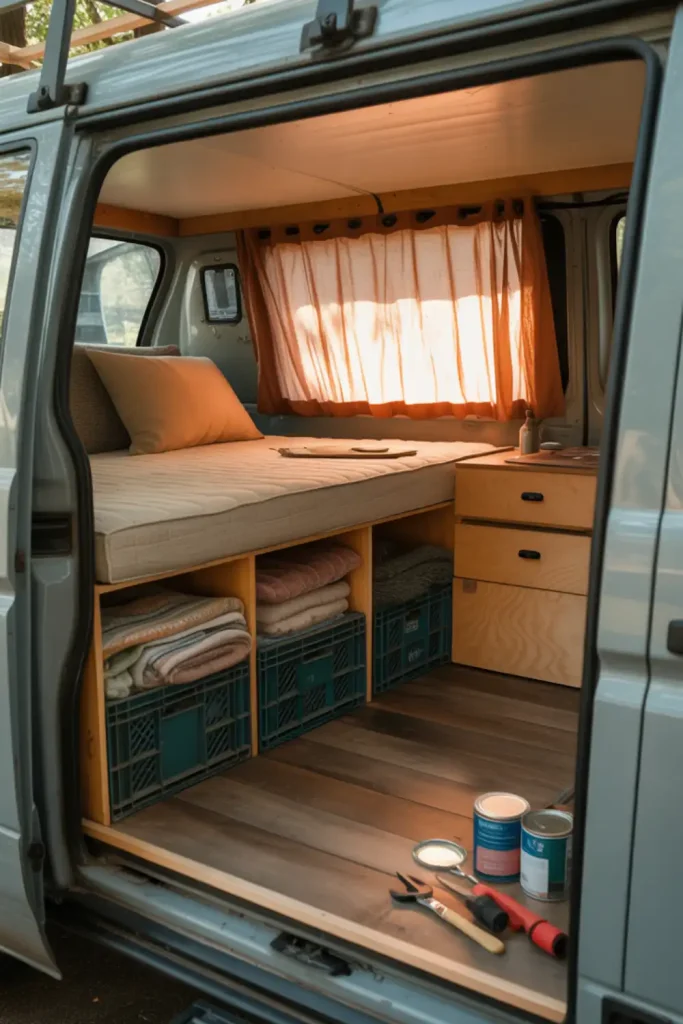
Elevated bed platforms create valuable storage underneath. The space can hold bikes, camping equipment, clothing bins, or other bulky items.

Cozy Bedding Options for Comfort on the Road
Comfortable bedding can make a huge difference during long trips. Look for mattresses that fit your exact platform and bedding made from breathable, easy-care fabrics.
Memory foam mattresses can provide good support without requiring a complicated setup. Wool blankets are useful for temperature changes, while washable covers make maintenance easier.
Vacuum storage bags can also help reduce the amount of space required for extra blankets and seasonal bedding.
| Bed Type | Space Efficiency | Comfort Level | Setup Time | Storage Potential |
|---|---|---|---|---|
| Murphy-Style | Excellent | Good | 1–2 minutes | Minimal |
| Slide-Out | Very Good | Very Good | Under 1 minute | Moderate |
| Elevated Platform | Moderate | Excellent | None | Excellent |
| Convertible Seating | Good | Moderate | 2–5 minutes | Good |
Smart Storage Solutions for a Clutter-Free Van
A beautiful van can quickly become frustrating if there isn’t enough storage. Since every inch matters, storage should be planned before the interior is built.
Overhead and Under-Bed Storage
Overhead cabinets make use of otherwise wasted vertical space. Under-bed drawers are ideal for clothing, bedding, shoes, tools, and outdoor equipment.

Use lightweight construction and secure every compartment properly so items don’t shift while driving.
Wall-Mounted Tools
Hooks, magnetic strips, racks, and narrow shelves can keep frequently used items off the floor.
These solutions work especially well for:
- Kitchen utensils
- Spices
- Jackets
- Hats
- Cables
- Small tools
- Camping equipment
Collapsible Essentials
Collapsible products are extremely useful in a compact van. Folding dish racks, laundry baskets, bowls, and storage containers can be tucked away when they’re not needed.
Hidden Compartments
Hidden storage can be built into benches, floors, steps, cabinets, and unused corners. These areas are ideal for items that aren’t needed every day.
The key is to create a logical organization system. Hidden storage is only useful if you can actually remember where everything is.
Compact & Clever Van Kitchen Design for Foodies on the Go
A compact kitchen can make van travel much more enjoyable. Cooking your own meals saves money and gives you more control over what you eat.

The secret is to create a kitchen that provides enough functionality without taking over the entire interior.
Space-Saving Kitchen Essentials
A galley-style kitchen keeps most cooking equipment along one wall and preserves valuable walking space.
Foldable countertops can provide extra preparation space when needed and disappear afterward. Slide-out cutting boards can serve the same purpose without requiring additional counter area.
A wall-mounted drop-leaf table can work as both a preparation surface and a dining table.
Burner Battle: Single vs. Double
| Feature | Single-Burner | Double-Burner |
|---|---|---|
| Space Required | Minimal | Moderate |
| Cooking Capacity | One dish at a time | Two dishes simultaneously |
| Fuel Consumption | Lower | Higher |
| Ideal For | Solo travelers | Couples and frequent cooks |
If you don’t cook complicated meals often, a single burner can be enough. Travelers who regularly prepare full meals may benefit from two burners.
Must-Have Compact Appliances
Multi-purpose appliances can reduce the number of items you need to carry. Consider compact multi-cookers, collapsible cookware, and energy-efficient refrigerators.
A 12V refrigerator can keep food fresh while using less space than a traditional appliance.
The goal is simple: choose equipment based on how often you’ll actually use it, not because it looks impressive in a van tour video.
Versatile Seating Arrangements for Comfort and Functionality
Seating should do more than provide somewhere to sit. In a small van, it can also become a dining area, workspace, storage system, or bed.
Convertible Dining and Lounge Areas
A dinette with a lowering table can quickly transform into a sleeping platform.
Rock-and-roll benches are another option. They can provide seating while driving and convert into a lounging or sleeping area when parked.
Space-Saving Bench Seating with Storage
Bench seats are valuable because the space underneath them can become storage.
Hinged tops make access easy, while drawers provide quicker access to frequently used items.
L-shaped seating can also make good use of corners that might otherwise remain empty.

Outdoor-Indoor Seating Solutions
Expanding your seating area outside the van can make the interior feel much larger.
Portable Camping Chairs and Tables
Lightweight folding chairs and tables can be stored inside the van and brought outside whenever needed. Look for furniture that folds flat and doesn’t take up unnecessary storage space.
Built-In Exterior Seating Options
Fold-out benches and tailgate seating can create a comfortable outdoor lounge area. Pair them with a small folding table for outdoor meals, coffee, or working.
With the right setup, one seating system can support working, eating, relaxing, and entertaining.
Bathroom and Shower Designs for Small Van Interiors
Adding a bathroom to a small van requires careful planning. You need enough functionality without sacrificing too much living space.
Portable Toilet Options and Containment Systems
Different toilet solutions work for different travel styles.
- Cassette toilets have removable waste tanks.
- Composting toilets separate waste and can reduce odor.
- Portable camping toilets are simple and affordable for occasional use.
Good ventilation is especially important in any enclosed bathroom area.
Compact Shower Solutions
You don’t necessarily need a permanent bathroom to have shower facilities.

Outdoor Shower Setups
Outdoor showers can save considerable interior space. Rear-door shower curtains can provide privacy, while portable shower bags and pressurized water systems offer simple solutions for outdoor bathing.
Shower pans, folding stalls, and wet-bath layouts are other possibilities for travelers who need indoor facilities.
Privacy Considerations for Bathroom Spaces
Privacy can be created without permanently dividing the van.
Consider:
- Retractable curtains
- Accordion-style partitions
- Tension rods
- Frosted window film
- Folding privacy screens
A flexible divider can serve multiple purposes while keeping the interior open when the bathroom isn’t being used.
Sustainable Elements for Eco-Friendly Van Living
Sustainable choices can make your van more environmentally responsible without sacrificing comfort or style.
Eco-Friendly Materials for Van Builds
Choosing durable, lightweight, and lower-impact materials can reduce waste and improve the overall quality of the build.
Reclaimed Wood and Bamboo Options
Reclaimed wood can add character while giving existing materials another purpose. It can be used for shelving, countertops, decorative panels, or furniture.
Bamboo is another attractive option because it’s lightweight, durable, and suitable for several interior applications.
When finishing wood inside a small enclosed space, choose products designed for interior use and allow proper ventilation during installation.

Solar and Alternative Energy Systems
Solar panels can help provide electricity for lights, electronics, refrigeration, and other equipment.
The right system depends entirely on your energy consumption. Weekend travelers may need a relatively small setup, while full-time van dwellers with computers, refrigerators, and other appliances will require considerably more capacity.
Lithium batteries can offer high usable capacity and lower weight, although they typically cost more upfront.
Water Conservation and Filtration Solutions
Water storage is limited in many vans, so efficient use matters.
Low-flow faucets, efficient showerheads, foot pumps, and compact filtration systems can help reduce consumption.
Plan your freshwater and wastewater systems around your actual travel habits rather than installing more capacity than you need.
Lighting Strategies to Create Ambiance in Your Mobile Home
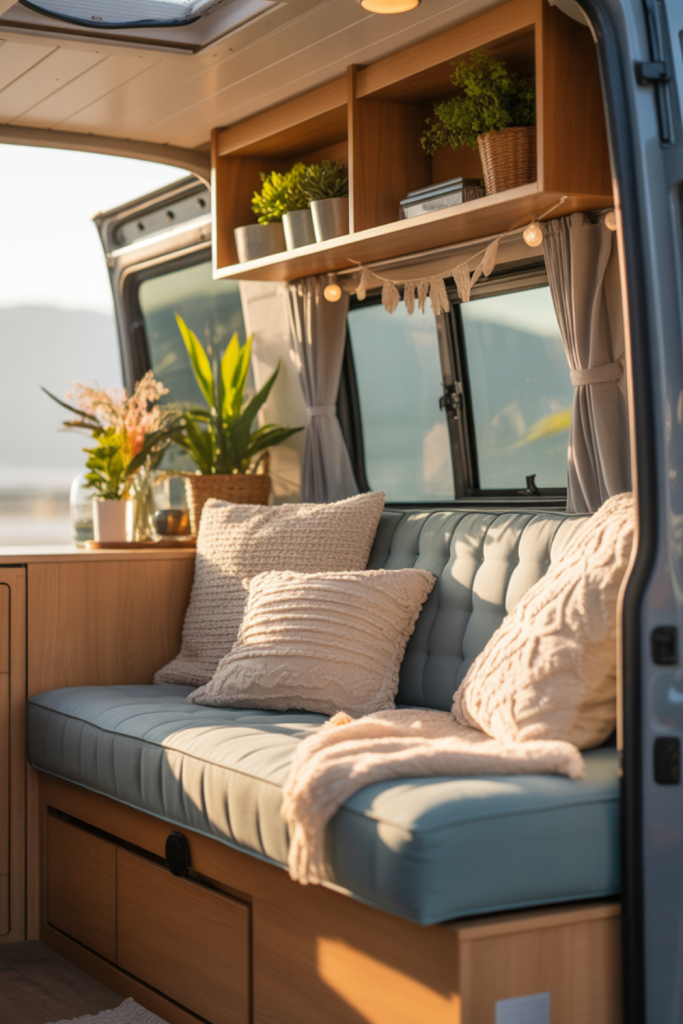
Lighting can completely change the atmosphere of a van. A good lighting plan should combine natural light, practical task lighting, and softer ambient lighting.
Natural Light Maximization Techniques
Windows and skylights can make the interior feel brighter and more spacious while reducing the need for artificial lighting during the day.
Skylight and Window Placement
Windows placed on different sides of the van can improve both natural lighting and ventilation.
A skylight can bring light into areas that might otherwise feel dark, while carefully positioned windows can provide views and airflow.
Reflective Surfaces to Amplify Light
Mirrors and light-colored surfaces can help distribute natural light throughout the interior.
You don’t need to cover the van with reflective materials. A few strategically placed surfaces can make the space feel brighter.
Energy-Efficient LED Lighting Options
LED lights are an excellent choice for van interiors because they provide strong illumination while consuming relatively little power.
Puck lights work well for general lighting, while LED strips under cabinets can provide task lighting.
Dimmable lights allow you to adjust brightness depending on the time of day.
Mood Lighting for Evening Comfort
Warm LED strips can create a relaxing atmosphere at night. Battery-powered candles can add ambiance without the concerns associated with open flames.
Layering ambient, task, and accent lighting makes the interior feel more like a real home.
Temperature Control and Insulation for Year-Round Comfort
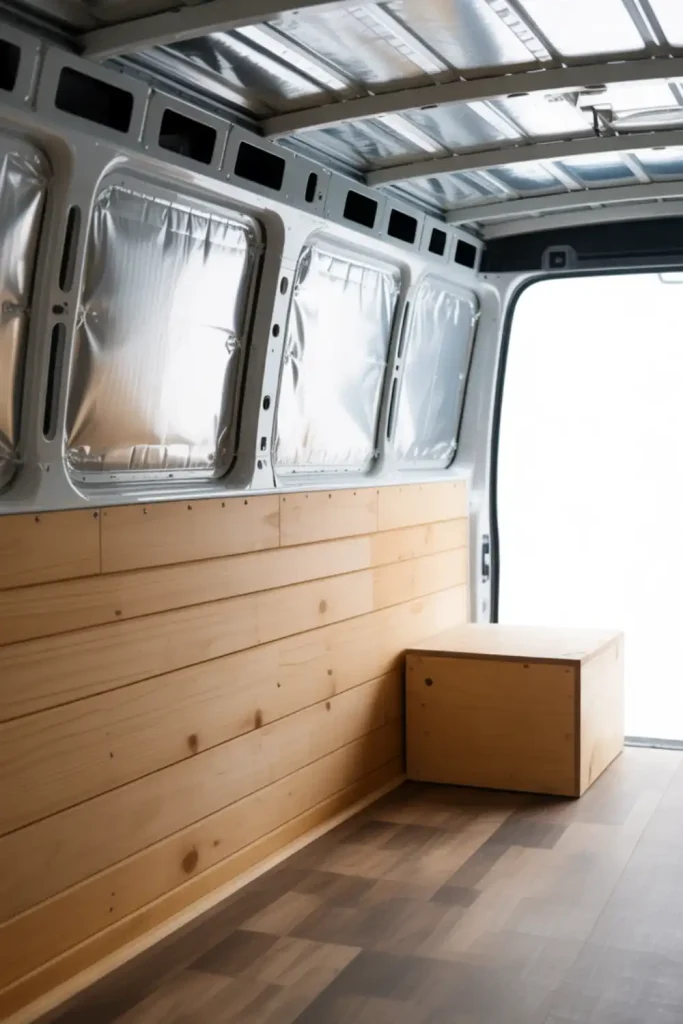
A van can become extremely hot in summer and surprisingly cold in winter. Good insulation and ventilation should therefore be considered part of the basic build rather than an optional upgrade.
Effective Insulation Materials and Techniques
Common insulation options include:
- Sheep’s wool for natural moisture management
- Rigid foam boards for high insulation performance
- Spray foam for sealing difficult areas
- Reflective barriers for reducing radiant heat
The best solution depends on your climate, budget, and van construction.
Thermal Barriers for Windows
Windows can allow significant heat transfer. Insulated curtains and fitted reflective window covers can help regulate interior temperatures and provide additional privacy.
Pay particular attention to floors, walls, ceilings, and areas around windows when planning insulation.
Heating Solutions for Cold Weather Travel
Heating options include propane heaters, diesel heaters, wood stoves, and electric heaters.
Each has different installation, ventilation, power, and safety requirements. Any combustion-based heater needs proper ventilation and must be installed according to the manufacturer’s requirements.
Cooling Strategies for Summer Adventures
Roof fans are one of the most useful cooling upgrades for a van. Cross-ventilation can move hot air out while drawing cooler air inside.
Reflective window covers, shade, light-colored exterior surfaces, and strategic parking can also reduce heat buildup.
Air conditioning can provide stronger cooling, but it usually requires substantially more electrical power than fans.
Tech Integration for Modern Van Living
Technology has made remote travel easier than ever. A well-planned system can provide power, internet access, entertainment, and workspace without overwhelming the interior.
Power Management Systems
Your electrical system should be designed around your actual energy requirements.
Before buying batteries or solar equipment, list every device you plan to use and estimate how much electricity each one consumes.
Battery Options and Capacity Planning
Common battery technologies include AGM and lithium iron phosphate.
| Battery Type | Pros | Cons | Typical Use |
|---|---|---|---|
| AGM | Affordable and proven | Heavy and lower usable capacity | Budget builds |
| LiFePO4 Lithium | Lightweight and efficient | Higher upfront cost | Full-time travel |
| Gel Cell | Sealed and durable | Slower charging | Specialized applications |
| Premium Lithium Systems | Advanced protection and monitoring | Expensive | Long-term builds |
Don’t choose battery capacity based on what another van owner uses. Calculate your own daily energy requirements first.
Inverters and Power Distribution
An inverter converts battery power into AC electricity for compatible household appliances.
A complete system may include:
- Fuse or circuit protection
- Battery monitor
- Solar charge controller
- Shore-power connection
- Properly sized wiring
- Clearly labeled electrical circuits
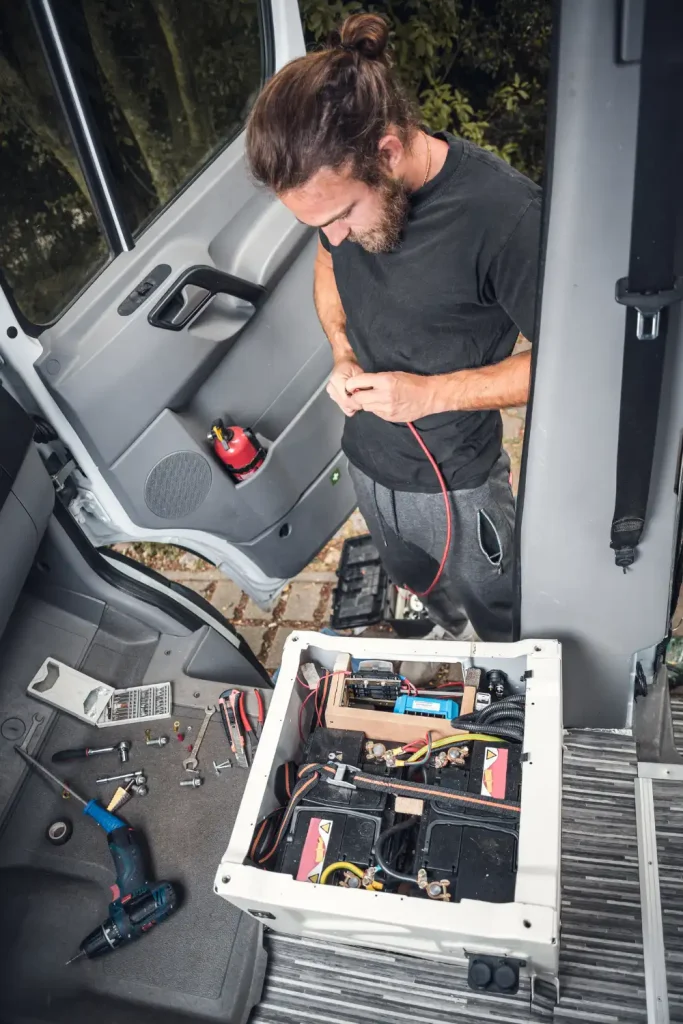
Electrical installations should be designed carefully because poor wiring can create serious safety risks.
Internet and Connectivity Solutions on the Road
Cellular hotspots can work well in areas with reliable coverage. A signal booster may help in some remote locations.
Travelers who frequently work online may use multiple cellular networks to improve reliability.
Satellite internet can provide another option for remote locations, although equipment, power consumption, and service costs need to be considered.
Entertainment Setup Ideas for Rainy Days
Compact entertainment options include:
- Wall-mounted tablet holders
- Small projectors
- Bluetooth speakers
- E-readers
- Streaming devices
Choose entertainment equipment that fits your available storage and electrical capacity.
Personalized Décor That Makes Your Van Feel Like Home
A functional van can still have personality. Small decorative details can make the space feel warmer without adding unnecessary weight or clutter.
Lightweight Wall Decoration Ideas
Removable wallpaper can change the look of an interior without permanent alterations.
Fabric panels can add texture while also helping with insulation and sound absorption.
Lightweight photos, postcards, clipboards, and magnetic displays can personalize walls without taking up much room.

Textile Choices for Comfort and Style
Choose textiles that are durable, washable, and appropriate for frequent travel.
Outdoor fabrics work well for high-use seating areas, while linen blends and microfiber can add softness without creating excessive bulk.
Multi-Purpose Curtains and Dividers
Curtains can provide privacy, block sunlight, improve insulation, and add color to the interior.
Lightweight fabrics and simple tension-rod systems make it easier to change or remove them when needed.
Cushions and Soft Furnishings
Washable cushion covers and durable upholstery make daily maintenance much easier.
Throw blankets can add warmth and style, while cushions can sometimes serve multiple purposes as seating or bedding support.
| Textile Type | Best Uses | Durability | Maintenance | Style |
|---|---|---|---|---|
| Cotton Canvas | Cushions and curtains | High | Easy to wash | Casual |
| Outdoor Fabric | Seating | Very High | Easy to clean | Practical |
| Linen Blend | Curtains and throws | Medium | Washable | Natural |
| Microfiber | Bedding and throws | Medium-High | Quick drying | Cozy |
Personal Touches That Won’t Compromise Space
The best decorations are often small and meaningful.
Use postcards, photographs, pressed flowers, magnets, or small souvenirs instead of filling every shelf with decorative objects.
In a van living aesthetic, less is usually more. A few meaningful pieces will have more impact than dozens of items competing for limited space.
Workspace Configurations for Digital Nomads
If you plan to work from your van, the workspace deserves serious attention.
A beautiful desk is useless if it leaves you with poor posture, unreliable power, or nowhere to store your equipment.
Ergonomic Desk Setups That Convert
Laptop stands can raise screens to a more comfortable height. Adjustable tables can support both sitting and standing positions.
Popular options include:
- Fold-away countertops
- Sliding desk platforms
- Convertible dining tables
- Wall-mounted desks
Multi-Purpose Work Areas
A workspace should ideally serve another function when you’re not working.
A dining table can become a desk, while a bench can provide seating for both work and relaxation.
Fold-Down Desk Solutions
Fold-down desks are particularly useful because they disappear when they’re not needed.
Cable management, built-in storage, and adjustable monitor mounts can make a small workspace much more practical.

Storage Solutions for Office Equipment
Keep electronics organized and protected with:
- Padded drawers
- Cable organizers
- Waterproof containers
- Vertical file storage
- Dedicated tech compartments
Store important equipment where it won’t move around while driving.
Outdoor Living Extensions for Your Van
Your van doesn’t have to end at the doors. Outdoor living areas can dramatically increase your usable space.
Awnings and Canopy Options
An awning creates shade and shelter beside the van. It can provide an outdoor dining, cooking, or relaxing area.
Retractable vs. Fixed Awnings
Retractable awnings are convenient for quick stops because they can be opened and closed relatively quickly.
Fixed canopies can provide more permanent coverage but may require additional setup and storage considerations.
| Awning Type | Setup Time | Weather Resistance | Coverage |
|---|---|---|---|
| Retractable Cassette | 1–2 minutes | Moderate | Medium |
| Batwing/270° | 3–5 minutes | Good | Large |
| Fixed Canopy | 10–15 minutes | Excellent | Large |
| DIY Tarp | 5–10 minutes | Variable | Custom |
DIY Tarp Setups for Budget Travelers
A simple tarp can create an inexpensive outdoor shelter.
Attach it securely to a roof rack or suitable mounting points and use poles or other secure supports. Keep the tarp slightly sloped so rain can drain away.
Always check wind conditions and secure the setup properly before leaving it unattended.

Exterior Storage Solutions for Gear
Roof racks can hold bulky equipment such as bikes, kayaks, cargo boxes, or other outdoor gear.
Hitch-mounted carriers can provide additional storage at the rear, while properly sealed exterior compartments can hold items that don’t need to stay inside.
Outdoor Cooking and Dining Setups
A rear-door or side-mounted outdoor kitchen can free up valuable interior space.
Pair a compact cooking station with a folding table and chairs to create a practical outdoor dining area.
When weather permits, cooking outside can make the van feel much larger and more enjoyable.
Budget-Friendly DIY Projects to Customize Your Van Interior
You don’t need an unlimited budget to create a good van interior. In fact, some of the most practical upgrades are inexpensive DIY projects.
Affordable Material Alternatives
Laminate flooring can provide the appearance of hardwood at a lower cost.
Vinyl wraps can change the appearance of cabinets and panels without replacing them.
Lightweight plywood can also be finished with paint, stain, or wallpaper to create a customized look.
Upcycling Ideas for Van Furniture
Repurposing existing furniture can reduce costs and waste.
The important part is to remove unnecessary weight and make sure every piece is securely attached to the van.
Repurposed Home Furniture Adaptations
Old tables, cabinets, shelves, and dressers can sometimes be modified for van use.
Cut furniture down to the required dimensions, remove heavy components, and reinforce the structure where necessary.
Thrift Store Finds Worth Transforming
Thrift stores can be useful sources for:
- Wooden crates
- Small cabinets
- Kitchen organizers
- Lightweight shelving
- Decorative pieces
- Solid wood furniture
Don’t buy something simply because it’s cheap. Make sure it fits your dimensions and can be safely secured.
Step-by-Step Weekend Projects for Beginners
Start with manageable projects that provide a noticeable improvement.
A simple bed platform with storage can transform the interior. No-sew curtains can improve privacy quickly, while basic shelving can add much-needed organization.
As your skills improve, you can move toward larger projects such as cabinets, electrical systems, and custom furniture.
The best custom van interior isn’t the one with the most expensive materials. It’s the one that uses the available space intelligently and fits the owner’s lifestyle.
Conclusion: Your Journey to the Perfect Home on Wheels
Creating the perfect van interior doesn’t happen all at once. Start with the essentials: a comfortable sleeping area, practical storage, reliable power, and the equipment you genuinely need.
Then improve the interior as you learn how you actually use the space.
Don’t copy another person’s van blindly. A layout that works perfectly for a full-time digital nomad may be completely wrong for someone who takes occasional weekend trips.
Small spaces force you to make better decisions. That unused corner might become a reading nook. A bench can become storage. A table can become a desk and a bed can become a living area.
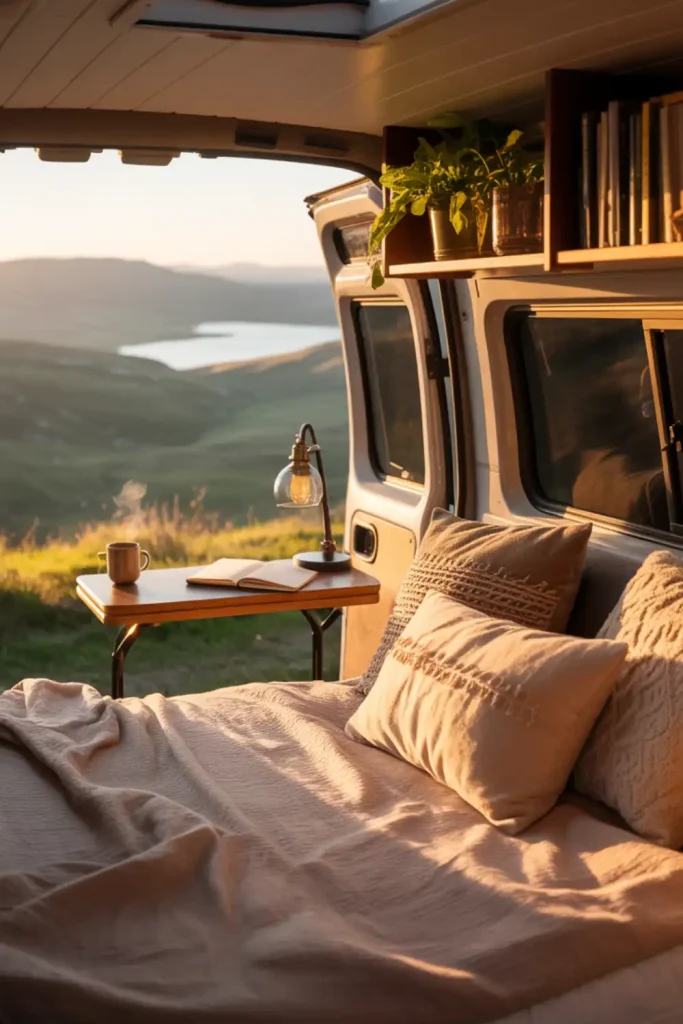
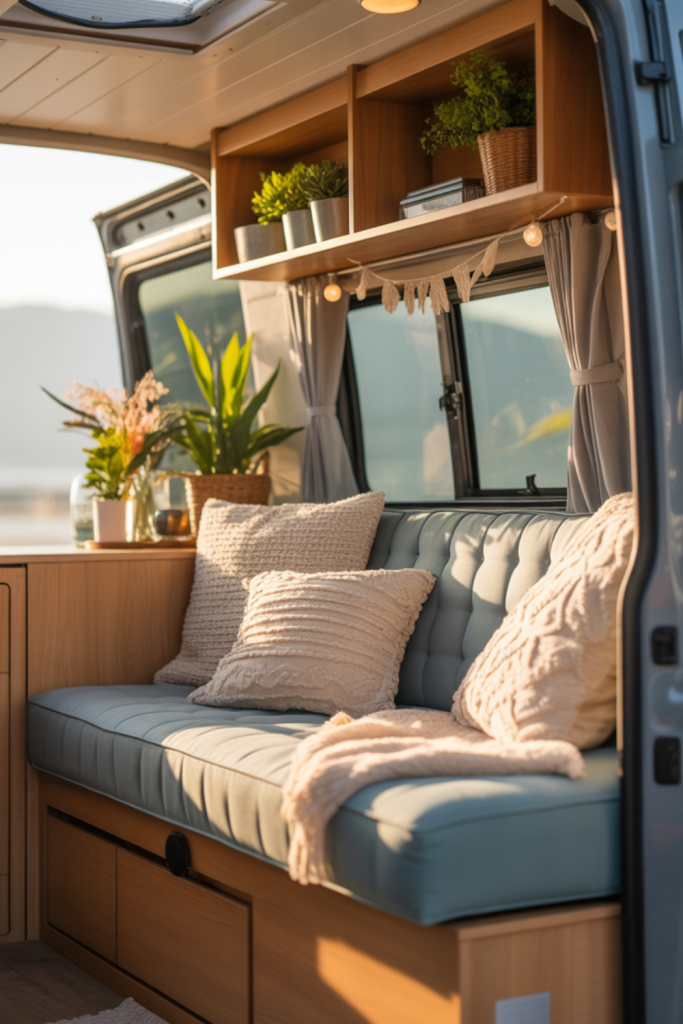
The best van interior design combines comfort, function, and personality without wasting valuable space. Build around your real needs, keep the layout flexible, and focus your budget on upgrades that improve everyday life.
Your van doesn’t need to look perfect. It needs to work.